What to Eat After Wisdom Teeth Removal
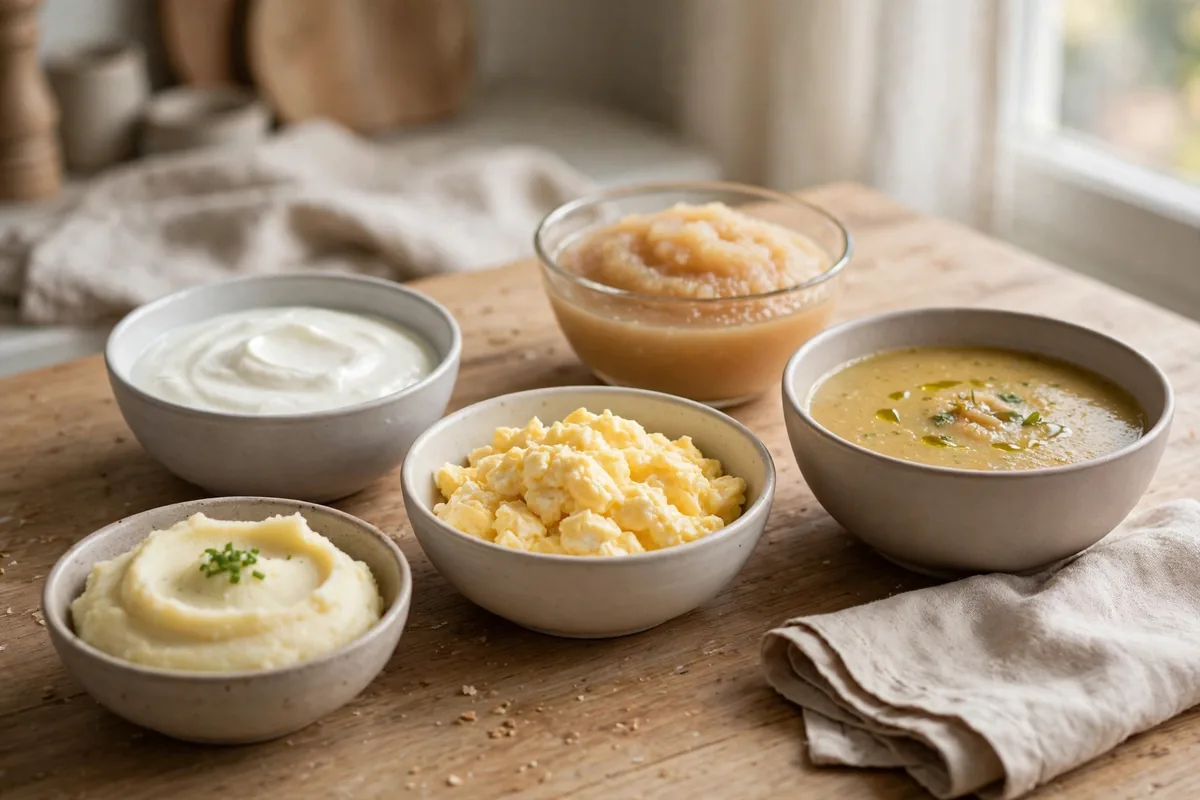
After wisdom teeth removal, eat soft, cool, or lukewarm foods that require little chewing. Good options include yogurt, mashed potatoes, applesauce, scrambled eggs, pudding, and blended soups. Choose foods that are easy to swallow and avoid hard, crunchy, spicy, or chewy items while your extraction sites heal.
Your diet can make eating more comfortable during recovery. The first few days usually require the most care because your gums are sensitive and blood clots are forming inside the empty tooth sockets. Choosing the right textures and gradually returning to regular meals can help you avoid irritating the surgical areas.
Best Foods to Eat After Wisdom Teeth Removal
The best foods after wisdom teeth surgery are soft, smooth, and easy to swallow. They should provide enough nutrition to keep you satisfied without requiring much chewing or putting pressure on your healing gums.
Here are some options to consider during recovery.
1. Yogurt
Yogurt is one of the easiest foods to eat after wisdom teeth removal because it has a smooth texture and does not require chewing. Plain or lightly flavored yogurt can also provide protein and calcium.
Choose varieties without nuts, granola, seeds, or crunchy toppings. Greek yogurt is another good option because it generally contains more protein than regular yogurt.
Allow very cold foods to sit briefly if the temperature feels uncomfortable around your extraction sites.
2. Mashed Potatoes
Mashed potatoes are filling, soft, and easy to prepare. They provide carbohydrates and energy when chewing regular meals is uncomfortable.
Cook the potatoes until tender, then mash them thoroughly with milk, butter, or a little broth. Keep the texture smooth and avoid adding crispy bacon, fried onions, or other hard toppings.
Serve them lukewarm instead of piping hot, especially during the first few days.
3. Scrambled Eggs
Scrambled eggs provide protein and are easy to make into a soft meal. They can be a useful breakfast option when you are not ready for toast, cereal, or other foods that require more chewing.
Cook the eggs gently until they are soft and moist. Avoid making them dry or adding crunchy ingredients.
Cut them into small pieces and eat slowly. If chewing is uncomfortable, wait until your mouth feels ready before adding eggs to your diet.
4. Applesauce
Applesauce is a convenient option when your gums feel sensitive. Its smooth consistency makes it easy to swallow without much effort.
Choose unsweetened applesauce if you want to limit added sugar. Avoid chunky varieties because pieces of fruit may be uncomfortable around the extraction sites.
You can serve it chilled or at room temperature, depending on what feels more comfortable.
5. Smoothies
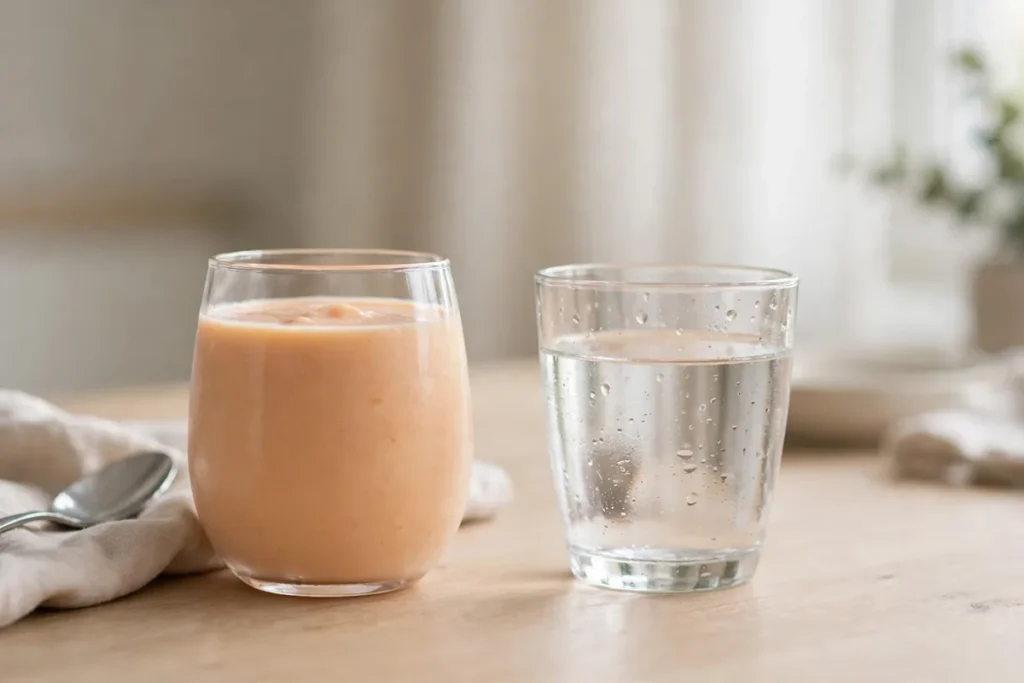
Smoothies can help you get fruit, protein, and other nutrients while eating solid foods is difficult. You can blend bananas, yogurt, milk, and seedless fruit into a smooth drink.
A simple combination is banana, plain yogurt, and milk. Blend everything thoroughly so there are no chunks that require chewing.
Important: Drink smoothies from a cup or eat them with a spoon. Do not use a straw during the period recommended by your oral surgeon. Suction can disturb the blood clot and increase the risk of dry socket.
6. Pudding and Jell-O
Pudding and Jell-O are soft desserts that require almost no chewing. They can be convenient when you want something sweet but cannot comfortably eat cookies, cake, or other regular desserts.
Choose smooth pudding without nuts, chocolate chips, or crunchy toppings. These foods are suitable as occasional snacks, although they should not replace more nutritious meals throughout recovery.
7. Soup and Broth
Smooth soups and broth can provide fluids and make mealtimes easier. Options such as blended vegetable soup, pumpkin soup, and strained chicken broth are worth considering.
Make sure the soup is not too hot. Let it cool to a comfortable temperature before eating.
Avoid soups containing hard vegetables, seeds, large pieces of meat, or small ingredients that could become trapped around the extraction sites. Blend or strain the ingredients when necessary.
8. Oatmeal and Cream of Wheat
Well-cooked oatmeal and cream of wheat can make a satisfying breakfast. They become soft when prepared with enough liquid and do not require much chewing.
Cook them until they have a smooth, loose consistency. Let them cool before eating and avoid adding nuts, seeds, granola, or raw fruit pieces.
If small grains are difficult to manage around your extraction sites, choose a smoother alternative such as cream of wheat.
9. Cottage Cheese
Cottage cheese is a soft food that provides protein and can be eaten without much chewing. Its texture may be suitable once you feel comfortable eating soft dairy products.
Choose a smooth variety and avoid mixing it with nuts, seeds, or crunchy vegetables. If the curds feel uncomfortable, blend them into a smoother consistency.
10. Soft Pasta
Soft pasta can be a useful option when you begin moving beyond liquids and very smooth foods. Cook it longer than usual so it becomes tender and easy to chew.
Small pasta shapes with a mild butter or cheese sauce are practical choices. Avoid spicy sauces, crunchy toppings, and firm pasta that requires significant chewing.
Introduce pasta gradually and follow your dentist’s instructions about when to resume more substantial foods.
What to Eat After Wisdom Teeth Removal: Day-by-Day Guide
Your food choices can change as your mouth becomes more comfortable. However, recovery does not follow exactly the same schedule for everyone. The type of extraction, number of teeth removed, and individual healing process can affect when you can return to regular meals.
Use the following guide as a general reference, not a fixed medical schedule.
First 24 Hours After Surgery
During the first 24 hours, focus on liquids and very soft foods that require little or no chewing. Your extraction sites are fresh, and the blood clots forming in the sockets help protect the underlying tissue.
Depending on your dentist’s instructions and when your anesthesia wears off, suitable options may include:
- Plain yogurt without crunchy toppings.
- Applesauce.
- Smooth pudding.
- Cool or lukewarm broth.
- Smooth mashed potatoes.
- Soft foods that can be swallowed easily.
Avoid eating while your mouth is still numb because you may accidentally bite your tongue, cheek, or lips without noticing.
Do not eat very hot foods or drink hot beverages during the early recovery period. Follow your surgeon’s instructions about when to start eating and drinking after anesthesia or sedation.

Days 2-3 After Wisdom Teeth Removal
During the next few days, you may still experience swelling, tenderness, and difficulty opening your mouth. Continue choosing foods that require minimal chewing.
You can consider adding:
- Soft scrambled eggs.
- Well-cooked oatmeal.
- Blended vegetable soup.
- Smooth cottage cheese.
- Soft mashed sweet potatoes.
- Banana and yogurt smoothies.
Keep meals small if your jaw feels tired. Eat slowly and avoid chewing directly near the extraction sites.
If a food causes pain or puts pressure on your gums, stop eating it and choose something softer.
Days 4-7 After Wisdom Teeth Removal
As discomfort begins to improve, some people can gradually introduce more substantial soft foods. However, this depends on how the extraction sites are healing.
Possible choices include:
- Soft pasta with a mild sauce.
- Flaky fish without bones.
- Well-cooked vegetables.
- Soft pancakes.
- Tender, finely chopped chicken if comfortable.
- Soft rice dishes if your surgeon permits them and the grains do not get trapped in the sockets.
Continue avoiding hard, crunchy, sticky, and chewy foods. You should not assume that your mouth is ready for a regular diet simply because the pain has decreased.
After One Week
After the first week, many people can tolerate a wider range of foods. However, the extraction sites may still be sensitive, particularly after difficult or surgical extractions.
You can gradually try foods with a slightly firmer texture if chewing feels comfortable and your dentist has not advised otherwise.
Some suitable options may include tender fish, soft cooked vegetables, pasta, eggs, and other foods that do not require forceful biting.
Avoid rushing back to chips, nuts, popcorn, hard bread, and other foods that can irritate the healing areas. Continue following your oral surgeon’s recommendations until the sites have healed sufficiently.
What Foods Should You Avoid After Wisdom Teeth Removal?
Some foods can irritate your extraction sites, cause discomfort, or become trapped around the healing sockets. Avoiding them during early recovery can help protect the surgical area.
The following foods are generally best avoided until your dentist or oral surgeon says they are safe.
Hard and Crunchy Foods
Avoid foods that require forceful biting or produce sharp pieces when chewed.
Examples include:
- Potato chips.
- Popcorn.
- Nuts.
- Crackers.
- Hard pretzels.
- Raw carrots.
- Hard candies.
Small, sharp pieces can irritate the surgical area or become lodged near the extraction site.
Chewy and Sticky Foods
Chewy foods can put pressure on sensitive gums and make eating uncomfortable.
Avoid:
- Chewing gum.
- Caramel.
- Toffee.
- Gummy candies.
- Tough meat.
- Chewy bread.
Wait until your jaw and extraction sites are comfortable before trying these foods again.
Spicy and Acidic Foods
Spicy ingredients may irritate sensitive tissues, while acidic foods can cause discomfort around the extraction sites.
Examples include:
- Hot sauce.
- Spicy curries.
- Chili peppers.
- Vinegar-heavy dressings.
- Lemon juice.
- Highly acidic fruit juices.
Choose mild foods and avoid ingredients that cause burning or irritation.
Foods With Small Seeds or Particles
Small food particles can become trapped around the extraction area.
Be careful with:
- Sesame seeds.
- Poppy seeds.
- Chia seeds.
- Strawberries with small seeds.
- Granola.
- Foods containing tiny hard grains.
Follow your dentist’s instructions about cleaning the area and when you can safely return to eating these foods.
Very Hot Foods and Drinks
Avoid very hot soup, coffee, tea, and other beverages during the initial recovery period. Heat can irritate sensitive tissues, and your mouth may still be numb after anesthesia.
Choose cool or lukewarm options instead. Your dentist can advise when you can safely return to your usual drinks.
What to Eat After Wisdom Teeth Removal: Meal Ideas
Planning simple meals can make recovery easier, especially when you do not feel like preparing complicated dishes.
Here are some ideas for breakfast, lunch, dinner, and snacks. Adjust the consistency and ingredients according to your comfort and your dentist’s instructions.
Breakfast Ideas
Try these soft breakfast options:
- Scrambled eggs with mashed avocado.
- Plain Greek yogurt with mashed banana.
- Smooth oatmeal prepared with milk.
- Cream of wheat with a little honey.
- A banana and yogurt smoothie served in a cup.
Keep breakfast portions small if your jaw feels stiff in the morning.
Lunch Ideas
For lunch, choose meals that are filling without requiring much chewing.
Some options include:
- Blended pumpkin soup.
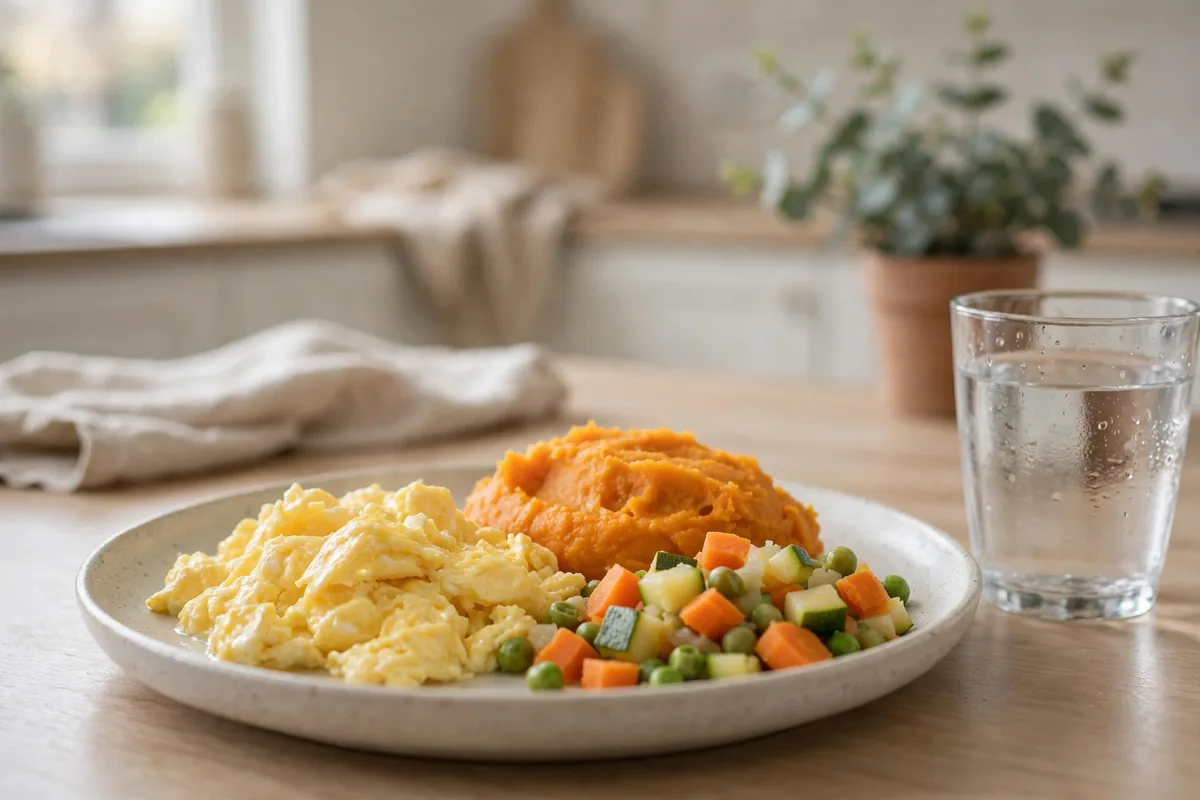
- Mashed potatoes with soft scrambled eggs.
- Creamy vegetable soup.
- Soft pasta with mild cheese sauce.
- Smooth lentil soup with no hard pieces.
Make sure soups are not too hot and remove ingredients that are difficult to chew.
Dinner Ideas
Dinner can include soft foods that provide a combination of carbohydrates and protein.
Consider:
- Mashed sweet potatoes with tender fish.
- Soft pasta with a mild sauce.
- Blended chicken and vegetable soup.
- Well-cooked eggs with mashed vegetables.
- Soft rice with a smooth lentil preparation, if comfortable and approved by your dentist.
Avoid large pieces of meat, spicy sauces, and crunchy sides.
Snack Ideas
You can keep convenient snacks available between meals.
Some options include:
- Pudding.
- Applesauce.
- Plain yogurt.
- Cottage cheese.
- Smooth banana puree.
- Soft custard.
- Jell-O.
Choose snacks that do not contain hard toppings or small particles that could become trapped around the extraction sites.
Tips for Eating After Wisdom Teeth Removal
Choosing suitable foods is only part of managing your diet during recovery. The way you eat and drink also matters.
Here are some practical habits to follow.
Eat Slowly and Take Small Bites
Take small bites and avoid rushing through meals. Large bites can make your jaw work harder and may put pressure on sensitive areas.
Use a small spoon when eating yogurt, pudding, mashed potatoes, or other soft foods.
Chew Away From the Extraction Sites
If your dentist says you can chew, try using the side of your mouth away from the surgical area when possible.
Avoid putting direct pressure on the extraction sites. If both sides were treated, choose foods that require very little chewing.
Drink Enough Water
Staying hydrated is important when you are recovering. Drink water regularly throughout the day.
Use a cup instead of a straw during the period recommended by your oral surgeon. Avoid forceful sucking or swishing, particularly during early recovery.
Keep Foods at a Comfortable Temperature
Very hot foods and beverages may irritate the surgical area. Choose cool or lukewarm foods that feel comfortable.
If cold foods cause sensitivity, allow them to warm slightly before eating.
Maintain Good Oral Hygiene
Follow your dentist’s instructions for cleaning your mouth after surgery. Avoid vigorous rinsing during the initial period because it may disturb the blood clot.
Your oral surgeon may recommend gentle saltwater rinses after the first 24 hours. Follow the specific instructions provided for your procedure.
Prioritize Nutritious Meals
Try to include protein and other nutrients in your soft-food diet. Eggs, yogurt, cottage cheese, blended lentils, and smooth soups can help you maintain a more balanced intake.
You do not need to rely entirely on ice cream, pudding, or other desserts throughout recovery.
When Can You Eat Normal Food Again?
Most people gradually return to their usual diet as their pain, swelling, and chewing discomfort improve. However, there is no single day when everyone can safely eat all types of food again.
Some people tolerate soft, more substantial meals within several days, while others need longer, especially after complicated extractions.
Before returning to regular foods:
- Make sure chewing does not cause pain around the extraction sites.
- Introduce firmer textures gradually.
- Avoid hard and crunchy foods while the sockets remain sensitive.
- Follow any specific dietary restrictions given by your oral surgeon.
- Stop eating anything that causes discomfort.
The NHS recommends eating soft or liquid foods until chewing becomes more comfortable. The American Association of Oral and Maxillofacial Surgeons also advises gradually increasing food consistency as recovery progresses.
If you are unsure whether a particular food is safe, ask your dentist before adding it to your diet.
When Should You Contact Your Dentist?
Some discomfort, swelling, and jaw stiffness are expected after wisdom teeth removal. However, certain symptoms should not be ignored.
Contact your dentist or oral surgeon if you experience:
- Severe or worsening pain that does not improve with the recommended medication.
- Swelling that becomes worse instead of gradually improving.
- Persistent bleeding.
- Fever or feeling generally unwell.
- Pus or an unpleasant taste accompanied by increasing pain.
- Difficulty swallowing or breathing.
A painful condition called dry socket can occur when the protective blood clot is lost or does not form properly. Your dentist can examine the extraction site and recommend appropriate treatment.
Seek urgent medical attention if you have difficulty breathing or swallowing.
Frequently Asked Questions About Eating After Wisdom Teeth Removal
1. Can I Eat Eggs After Wisdom Teeth Removal?
Yes, soft scrambled eggs are generally a suitable option after wisdom teeth removal. They provide protein and are easy to prepare with a tender texture. Allow them to cool to a comfortable temperature and avoid adding crunchy ingredients. Follow your surgeon’s instructions about when to start eating after anesthesia.
2. Can I Eat Rice After Wisdom Teeth Removal?
Rice may be uncomfortable during early recovery because individual grains can become trapped around the extraction sites. It is generally better to choose smoother foods during the first few days. Once your dentist says it is appropriate and you can chew comfortably, you may gradually try soft rice preparations.
3. Can I Eat Pizza After Wisdom Teeth Removal?
Pizza is generally not a good choice during the early recovery period. Its crust can be chewy or hard, while crispy toppings may irritate your gums. Wait until your extraction sites have healed sufficiently and your dentist says you can resume firmer foods.
4. Can I Eat Ice Cream After Wisdom Teeth Removal?
Yes, smooth ice cream can be a comfortable food option after wisdom teeth removal, provided your dentist has not advised otherwise. Choose varieties without nuts, chocolate pieces, or crunchy toppings. Ice cream should be an occasional treat rather than your main source of nutrition.
5. When Can I Eat Solid Food After Wisdom Teeth Removal?
You can gradually introduce more solid foods as your pain decreases and chewing becomes comfortable. Some people begin eating softer solid foods after several days, while others need longer. The timing depends on the complexity of the extraction and your recovery. Follow your oral surgeon’s advice before returning to hard or crunchy foods.