What Can I Give My Dog for Diarrhea?
If your dog has diarrhea, you can often offer small portions of a bland diet, such as plain boiled chicken and white rice, if your dog is otherwise acting normally and is not vomiting. Plain canned pumpkin and veterinarian-recommended probiotics may also help some dogs. Most importantly, keep fresh water available and watch for warning signs such as blood in the stool, repeated vomiting, weakness, or loss of appetite. These symptoms may require prompt veterinary attention. The right treatment depends on what is causing the diarrhea. A mild digestive upset may improve with temporary dietary changes, but diarrhea can also be a sign of infection, parasites, poisoning, or another medical problem.
Puppies are more vulnerable to dehydration and can become seriously ill quickly. If a puppy has diarrhea, contact your veterinarian promptly instead of relying on home remedies.
What Can You Give a Dog for Diarrhea?
For an otherwise healthy adult dog with mild diarrhea, a temporary bland diet may help settle the digestive system. Common options include:
- Plain boiled chicken with white rice
- A small amount of plain canned pumpkin
- A veterinarian-recommended gastrointestinal dog food
- A dog-specific probiotic recommended by your veterinarian
Start with small portions rather than giving your dog a full meal immediately. Avoid treats, fatty foods, table scraps, and sudden changes to their regular diet. If your dog is vomiting, seems unusually tired, refuses water, or has blood in the stool, do not rely on home remedies. Contact a veterinarian for advice.
Best Foods to Give a Dog With Diarrhea
Choosing easy-to-digest food can help some dogs with mild digestive upset. Here are a few options to discuss with your veterinarian.
1. Boiled Chicken and White Rice
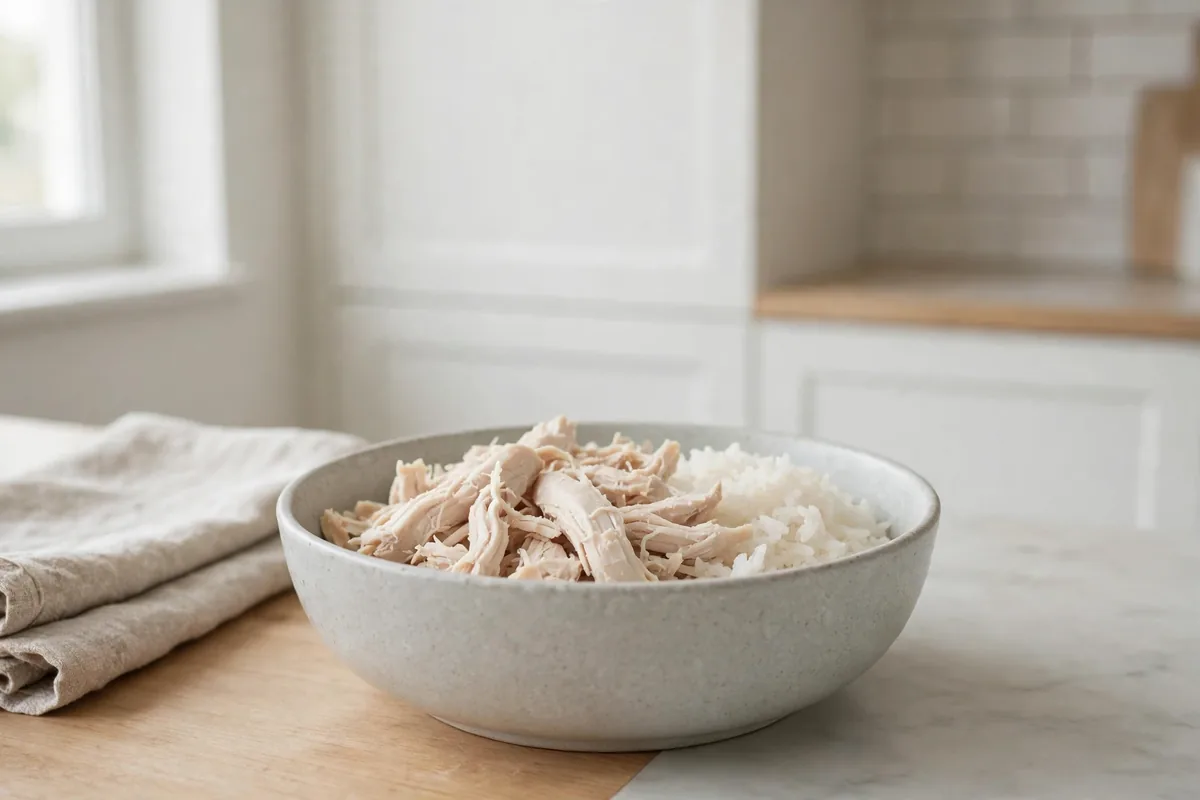
Plain boiled chicken and white rice are commonly used as a temporary bland diet for dogs with mild diarrhea. Chicken provides a lean source of protein, while white rice supplies an easy-to-digest carbohydrate. Together, they can be gentler on the digestive system than rich or fatty meals. To prepare this meal:
- Boil boneless, skinless chicken until fully cooked.
- Remove any bones, skin, and visible fat.
- Cook plain white rice separately.
- Let both ingredients cool before serving.
- Offer a small portion and monitor your dog’s response.
Do not add salt, butter, oil, garlic, onion, spices, or sauces. These additions can upset your dog’s stomach or be harmful. This meal is intended for short-term use, not as a complete everyday diet. Homemade chicken and rice does not provide all the nutrients dogs need over time. Ask your veterinarian how long to feed it and when to return to your dog’s regular food.
2. Plain Canned Pumpkin
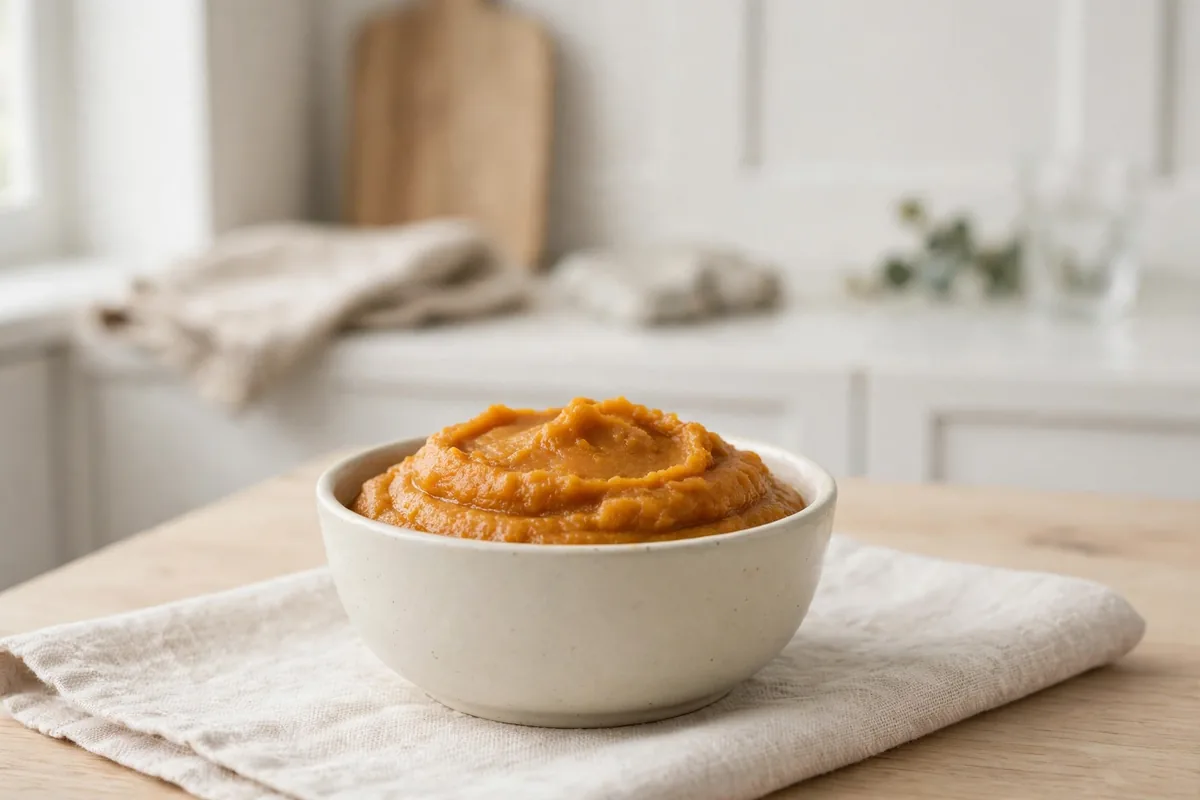
Plain pumpkin can be another option for dogs with mild diarrhea. It contains soluble fiber, which may help support normal stool consistency. Choose canned pumpkin that contains only pumpkin. Do not use pumpkin pie filling, because it may contain added sugar, spices, or other ingredients that are unsuitable for dogs. Introduce only a small amount and check how your dog responds. Too much fiber can cause additional digestive problems in some dogs. Pumpkin is not a treatment for every cause of diarrhea. If symptoms continue or become worse, contact your veterinarian rather than increasing the amount.
3. Veterinary Gastrointestinal Food
A veterinary gastrointestinal diet may be a better option for dogs that need more carefully balanced nutrition. These foods are formulated to support digestive health and are often designed to be highly digestible. Some formulas also have specific fat or fiber levels for particular digestive conditions. Your veterinarian can recommend an appropriate product based on your dog’s age, symptoms, medical history, and suspected cause of diarrhea. A prescription or veterinary-recommended diet may be especially useful when diarrhea keeps returning or a homemade bland diet is not helping.
Can You Give Your Dog Probiotics?
Dog-specific probiotics may help support a healthy balance of bacteria in the digestive system. Some veterinarians recommend them for dogs experiencing diarrhea or recovering from digestive upset. However, not every probiotic product is suitable for every dog. Products differ in their bacterial strains, ingredients, and quality. Before giving your dog a probiotic:
- Choose a product made specifically for dogs.
- Ask your veterinarian which product is appropriate.
- Follow the product’s veterinary instructions.
- Stop and seek advice if your dog develops new or worsening symptoms.
Avoid assuming that human probiotic supplements will provide the same benefits for dogs. Your veterinarian can help you choose a suitable option.
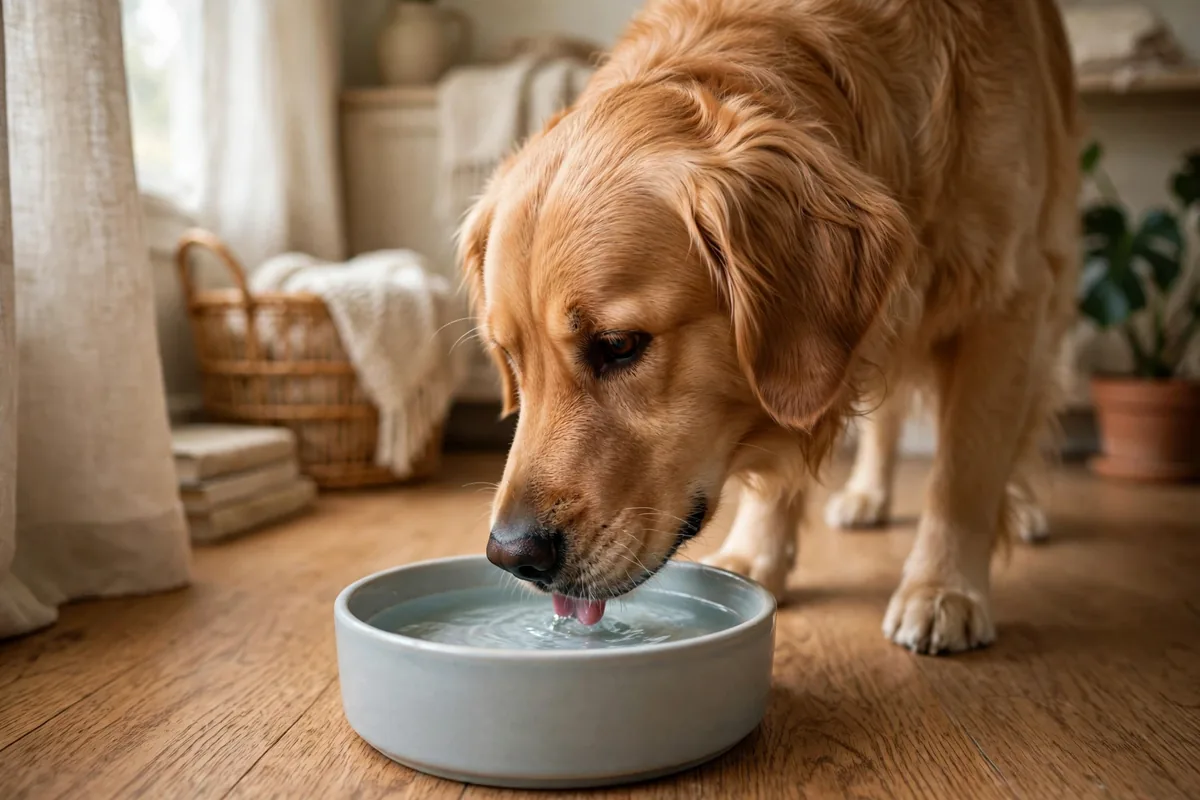
How to Keep Your Dog Hydrated
Diarrhea causes dogs to lose extra water through their stool. If the fluid loss continues, dehydration can become a serious concern. Keep these simple steps in mind:
- Provide fresh, clean drinking water throughout the day.
- Keep the water bowl somewhere your dog can reach easily.
- Monitor whether your dog is drinking normally.
- Contact your veterinarian if your dog refuses water or cannot keep it down.
- Do not force water into your dog’s mouth, especially if they are vomiting or struggling to swallow.
A veterinarian may need to provide fluids if dehydration develops.
What Not to Give a Dog With Diarrhea
Some foods and medications can make digestive problems worse or create additional risks. Avoid giving your dog:
- Fatty foods: Greasy meat, fried food, and rich leftovers can aggravate digestive upset.
- Dairy products: Milk and other dairy foods may worsen diarrhea in dogs that cannot tolerate lactose.
- Seasoned food: Onion, garlic, heavy spices, sauces, and excess salt should not be added to a bland meal.
- Table scraps: Human meals often contain ingredients that are too rich or unsuitable for dogs.
- New treats: Avoid introducing unfamiliar snacks while your dog’s stomach is upset.
- Human anti-diarrhea medication: Do not give products such as Imodium or Pepto-Bismol unless a veterinarian specifically tells you to. Some human medicines can be harmful to certain dogs or interact with other medications.
Never guess a dose or use leftover medication without veterinary guidance.
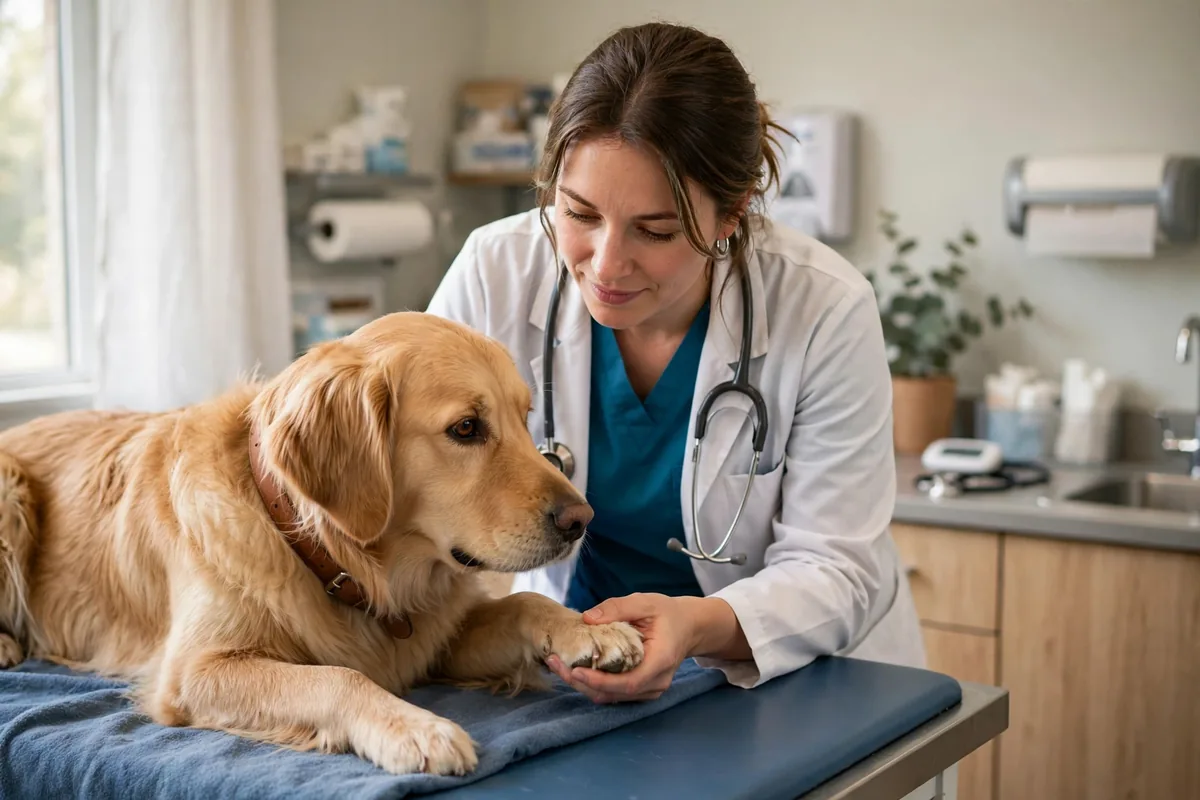
When Should You Call a Veterinarian?
Not every case of diarrhea is an emergency, but certain symptoms mean your dog needs veterinary attention. Contact a veterinarian promptly if your dog has:
- Blood in the stool or black, tarry stool
- Repeated vomiting along with diarrhea
- Unusual weakness, lethargy, or signs of pain
- Refusal to eat or drink
- Signs of dehydration
- Severe or frequent watery diarrhea
- Suspected exposure to a toxin or swallowed foreign object
Puppies, older dogs, and dogs with existing medical conditions may become unwell more quickly. They should receive veterinary advice sooner rather than being treated with home remedies alone. If mild diarrhea does not improve within 48 hours, contact your veterinarian. Cornell University also advises seeking veterinary care when diarrhea lasts 48-72 hours or occurs with symptoms such as vomiting, lethargy, or loss of appetite. If you visit the clinic, take a fresh stool sample if possible. It may help the veterinarian check for parasites or other causes.
How Long Does Dog Diarrhea Usually Last?
Mild diarrhea may improve within a day or two, particularly when it is related to a temporary dietary upset. However, recovery time depends on the underlying cause and your dog’s overall health. If your dog’s stool starts returning to normal, your veterinarian may recommend gradually reintroducing their regular food. Avoid making another sudden diet change, as this can trigger further digestive upset. Diarrhea that persists, returns frequently, or comes with other symptoms should not be treated as a simple stomach problem. A veterinarian may recommend stool testing, bloodwork, or other checks to identify the cause.
Final Thoughts
For mild diarrhea in an otherwise healthy adult dog, plain boiled chicken and white rice may provide a temporary, easy-to-digest meal. Plain canned pumpkin, dog-specific probiotics, and veterinary gastrointestinal food may also be appropriate in certain situations. Keep fresh water available, avoid human medications unless your veterinarian approves them, and monitor your dog’s condition closely. If diarrhea is severe, lasts more than 48 hours, or comes with blood, vomiting, weakness, or dehydration, seek veterinary advice instead of relying on home treatment.
FAQs
1. What is the best thing to give a dog with diarrhea?
Plain boiled chicken and white rice may help dogs with mild diarrhea. Ask your veterinarian whether this diet is suitable.
2. Can I give my dog rice for diarrhea?
Yes. Plain cooked white rice is commonly used in temporary bland diets for dogs.
3. Is pumpkin good for dogs with diarrhea?
Plain canned pumpkin may help because it contains soluble fiber. Avoid pumpkin pie filling.
4. Should I stop feeding my dog if it has diarrhea?
Not necessarily. Many dogs with diarrhea can continue eating small, bland meals. Ask your veterinarian before withholding food.
5. Can I give my dog Imodium?
Only if your veterinarian specifically recommends it. It can be unsafe for some dogs.
6. When should I take my dog to the vet for diarrhea?
Seek veterinary advice for blood in the stool, vomiting, weakness, dehydration, or diarrhea lasting more than 48 hours. Puppies and senior dogs may need earlier attention.