
How to Get Rid of Smelly Feet Permanently
Smelly feet can be frustrating, especially when the odor returns shortly after washing or changing your socks. The best way to get rid of smelly feet permanently is to control moisture, reduce bacteria, wear breathable footwear, and treat any underlying skin condition. Washing your feet daily, drying between your toes, changing socks regularly, and using a suitable foot antiperspirant can make a significant difference. Foot odor, also called bromodosis, usually develops when sweat creates a warm, moist environment where bacteria can multiply. Sometimes, a fungal infection or excessive sweating is also responsible. Finding the cause is important because simply covering the smell with deodorant may not solve the problem.
What Causes Smelly Feet?
Your feet contain many sweat glands. When sweat builds up inside socks and shoes, bacteria break down substances on the skin and produce unpleasant odors. Several factors can make foot odor worse:
- Excessive sweating: Feet that sweat heavily stay damp for longer, allowing odor-causing bacteria to thrive.
- Wearing the same shoes daily: Shoes need time to dry between uses. Repeatedly wearing damp footwear can make odor worse.
- Poor foot hygiene: Sweat, dead skin cells, and bacteria can accumulate when feet are not washed and dried properly.
- Tight footwear: Shoes that restrict airflow can trap heat and moisture.
- Fungal infections: Athlete’s foot can cause itching, peeling, cracking, and sometimes an unpleasant smell.
- Bacterial infections: Conditions such as pitted keratolysis can cause particularly strong foot odor.
Understanding which factor affects you most can help you choose the right treatment.
1. Wash Your Feet Every Day
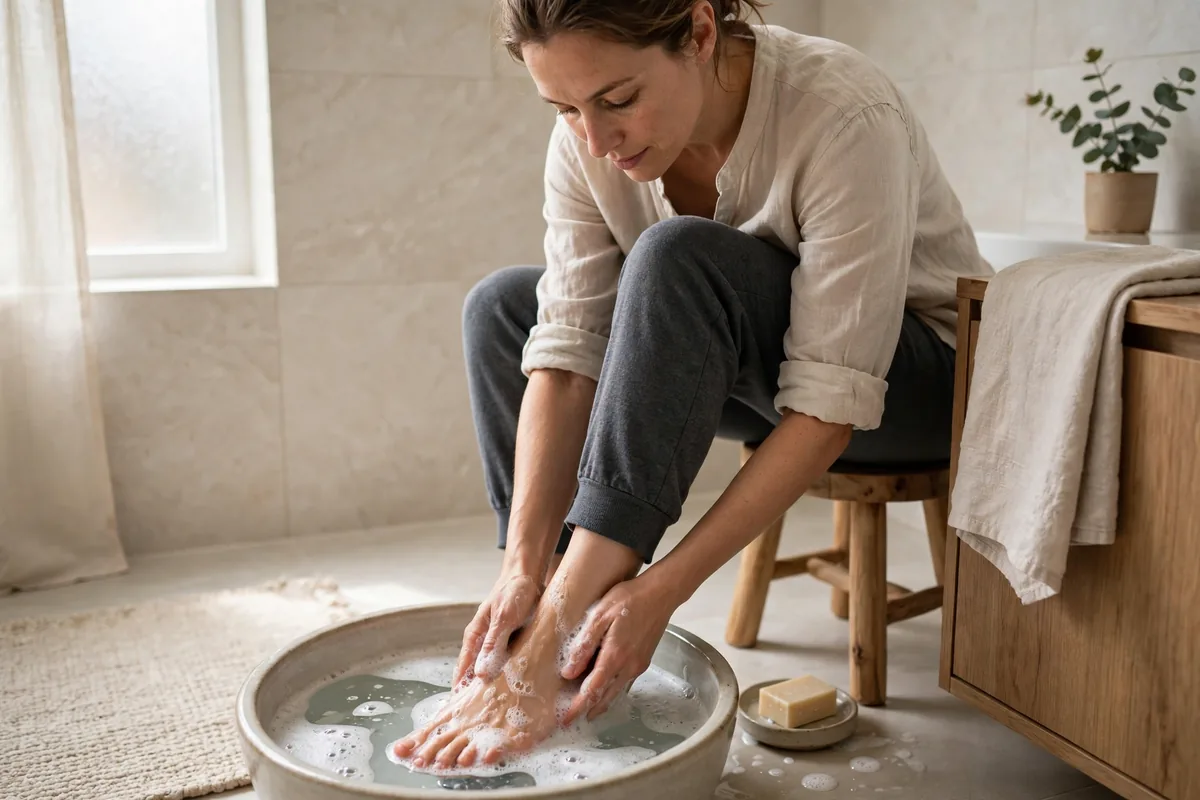
Regular washing is one of the simplest ways to reduce foot odor. Use lukewarm water and mild soap to clean your feet, paying attention to the soles, heels, and spaces between your toes. If your feet sweat heavily or become dirty during the day, washing them more than once may help. Follow these steps:
- Wet your feet with lukewarm water.
- Apply mild soap and gently clean all areas.
- Rinse away the soap.
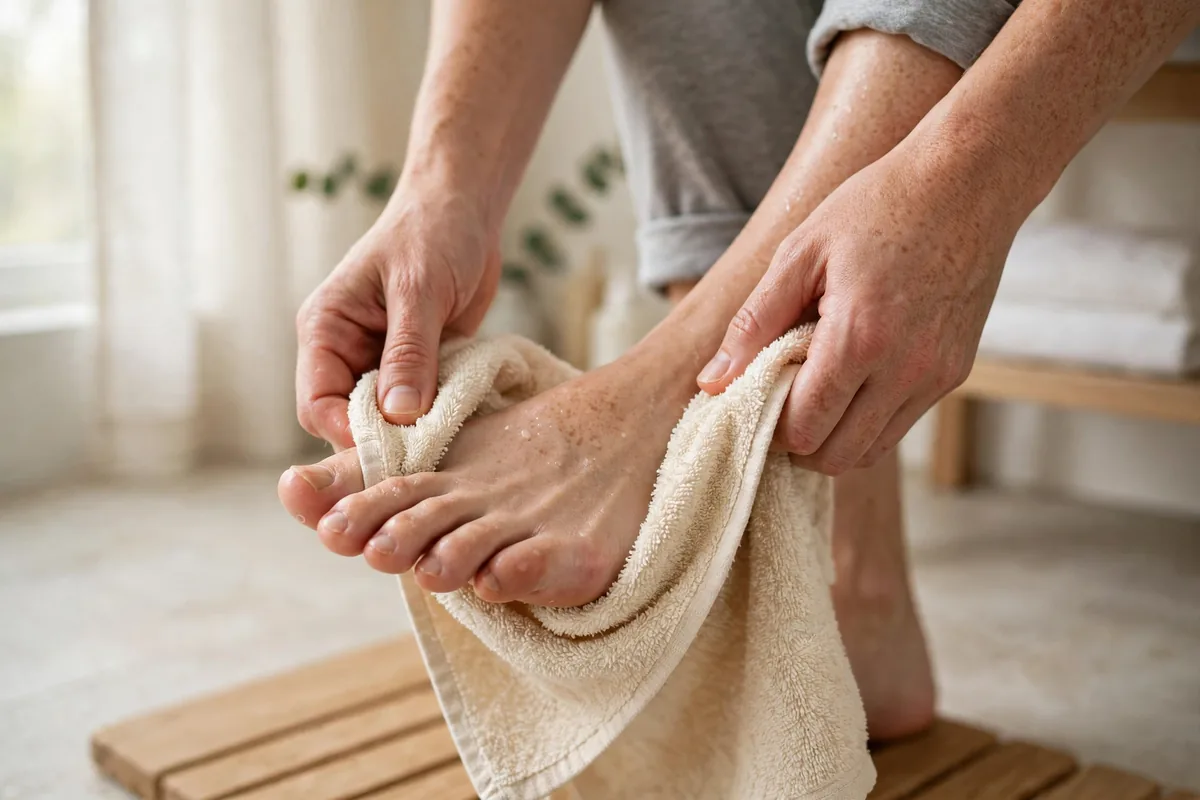
- Dry your feet with a clean towel.
- Carefully dry between every toe.
Do not leave your feet damp after washing. Moisture trapped between the toes can encourage fungal and bacterial growth.
2. Keep Your Feet Completely Dry
Keeping your feet dry is just as important as washing them. Bacteria and fungi thrive in warm, moist environments, so reducing moisture can help prevent recurring odor. After bathing, dry between your toes before putting on socks. If your feet become sweaty during the day, change into a clean, dry pair of socks. You can also:
- Remove shoes when you are at home and it is safe to do so.
- Let your feet breathe whenever possible.
- Change socks after exercise or heavy sweating.
- Use moisture-absorbing foot powder if appropriate.
- Avoid putting socks on while your feet are still wet.
These habits help reduce the moisture that contributes to persistent foot odor.
3. Use an Antiperspirant for Sweaty Feet
If your feet produce too much sweat, an antiperspirant may help control the problem. Unlike deodorant, which mainly masks odor, antiperspirants reduce sweating. Some foot antiperspirants contain aluminum-based ingredients. Stronger products may be available through a pharmacist or healthcare professional. For best results:
- Choose a product intended for use on feet.
- Follow the label instructions.
- Apply it to clean, completely dry skin.
- Avoid applying it to broken, irritated, or infected skin unless a healthcare professional advises you to.
People with excessive sweating, a condition called plantar hyperhidrosis, may need stronger treatment. A healthcare professional can recommend suitable options if ordinary antiperspirants are not effective.
4. Change Your Socks Regularly
Wearing the same damp socks for long periods can make foot odor worse. Clean socks help remove the sweat and bacteria that build up during the day. Consider these habits:
- Put on a fresh pair every day.
- Change socks after workouts or heavy sweating.
- Choose breathable or moisture-wicking materials.
- Wash used socks regularly and allow them to dry completely.
- Avoid wearing damp socks again.
Cotton, wool, and suitable moisture-wicking fabrics can help manage moisture. The best choice depends on how much your feet sweat and which material feels comfortable.
5. Rotate Your Shoes and Let Them Dry
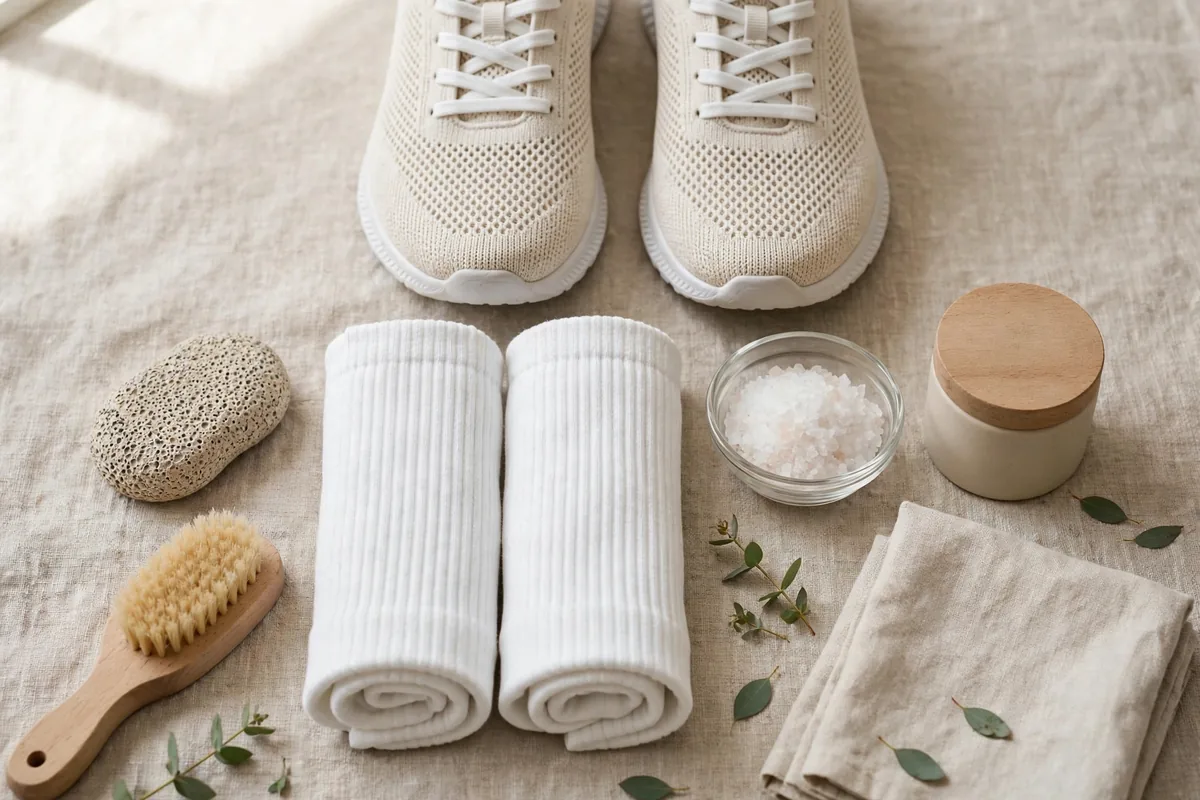
Your shoes can hold sweat, moisture, and odor even after you remove them. Wearing the same pair every day may prevent the inside from drying completely. Try rotating between at least two pairs of shoes. This gives each pair more time to air out. For better results:
- Remove the insoles when possible.
- Let shoes dry in a well-ventilated area.
- Replace insoles if they remain damp or smell unpleasant.
- Clean footwear according to its care instructions.
- Choose shoes with breathable materials and enough room for your feet.
Avoid wearing tight, poorly ventilated shoes for long periods whenever possible.
6. Use Foot Powder or Odor-Control Products
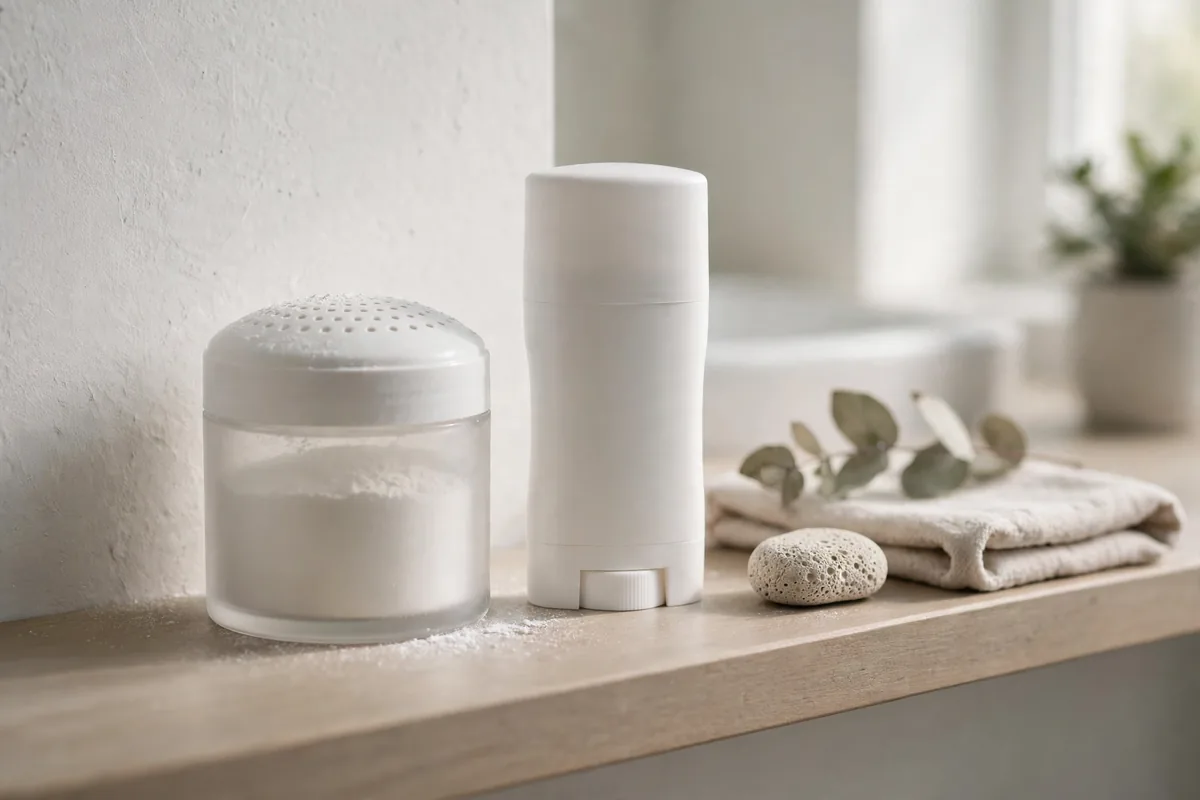
Foot powders and shoe deodorizers can help manage moisture and reduce unpleasant smells. Some products absorb sweat, while others are designed to control odor inside footwear. You can consider:
- Moisture-absorbing foot powder
- Medicated insoles recommended by a pharmacist
- Foot deodorant
- Shoe odor-control products
Remember that these products support foot hygiene but may not treat an infection or excessive sweating. If the smell keeps returning, look for the underlying cause instead of relying only on fragrance.
7. Check for Athlete’s Foot or Other Infections
Sometimes, smelly feet are caused by a skin infection rather than ordinary sweating. Athlete’s foot is a common fungal infection. It may cause itching, peeling, scaling, redness, or cracked skin, particularly between the toes. Another possible cause is pitted keratolysis, a superficial bacterial infection. It can produce a strong odor and tiny crater-like pits on the soles, especially around the heels and balls of the feet. Treatment depends on the condition:
- Athlete’s foot may require an antifungal cream or other antifungal treatment.
- Pitted keratolysis may require a clinician-prescribed topical antibiotic.
- Persistent excessive sweating may need a separate treatment plan.
Do not use antibiotics or strong medicated creams without an appropriate diagnosis. If you notice unusual skin changes or the odor continues despite good hygiene, arrange a medical assessment.
8. Clean Your Shoes and Insoles
Even if you wash your feet regularly, odor can return if your footwear remains dirty or damp. Clean shoes according to the manufacturer’s instructions. Wash removable insoles if they are washable, or replace them when they become worn or retain odor. You should also:
- Air out shoes after each use.
- Avoid storing damp shoes in closed spaces.
- Clean sports shoes regularly.
- Keep footwear dry before wearing it again.
- Avoid sharing shoes, socks, or towels.
Good shoe care helps prevent odor from building up again.
When Should You See a Doctor?
Most mild foot odor improves with regular washing, dry feet, clean socks, and breathable shoes. However, persistent odor can sometimes indicate a condition that needs medical treatment. See a healthcare professional if:
- The smell does not improve after trying basic foot-care measures.
- Your feet have tiny pits or crater-like marks on the soles.
- You notice itching, peeling, cracking, or unusual skin changes.
- Your feet sweat excessively even when you are not active.
- You experience pain, swelling, or signs of infection.
People with diabetes, poor circulation, or reduced sensation in their feet should seek medical advice sooner if they notice skin damage or possible infection.
How to Prevent Smelly Feet From Coming Back
Once foot odor improves, consistent habits can help keep it under control. A simple daily routine includes:
- Wash your feet and dry them thoroughly.
- Wear clean, dry socks.
- Use an appropriate antiperspirant if sweating is a problem.
- Choose breathable shoes.
- Rotate footwear instead of wearing the same pair every day.
- Allow shoes and insoles to dry fully.
- Treat fungal or bacterial infections as directed by a healthcare professional.
There is no guaranteed permanent cure for every cause of foot odor. However, identifying the cause and following a consistent routine can provide long-lasting control.
Final Thoughts
Getting rid of smelly feet permanently starts with understanding why the odor develops. For many people, daily washing, thorough drying, clean socks, breathable shoes, and foot antiperspirants are enough to make a noticeable difference. If the odor continues despite these changes, an underlying fungal infection, bacterial condition, or excessive sweating may be responsible. Treating that problem is often the key to preventing the smell from returning.
Foot Soaks and Home Remedies
Some people use a short soak in warm water with Epsom salt, diluted white vinegar or black tea to help reduce foot odor. Scientific evidence for these remedies is limited, so treat them as a supportive step rather than a cure. Do not soak if you have open cuts, cracked skin or an infection, and always dry your feet thoroughly afterward, especially between the toes.
Frequently Asked Questions
1. What is the fastest way to get rid of smelly feet?
Wash your feet, dry between your toes, put on clean socks, and wear dry, breathable shoes.
2. Why do my feet smell even after washing?
Persistent odor may be related to excessive sweating, damp footwear, athlete’s foot, or a bacterial infection.
3. Does foot powder stop smelly feet?
Foot powder can absorb moisture and help control odor, but it may not treat an underlying infection.
4. Can sweaty feet cause bad smells?
Yes. Sweat creates moisture that allows odor-producing bacteria to multiply.
5. How often should I change my socks?
Change them at least daily and more often if they become sweaty or damp.
6. Can smelly feet be a sign of an infection?
Yes. Athlete’s foot and bacterial conditions such as pitted keratolysis can cause unpleasant foot odor.