
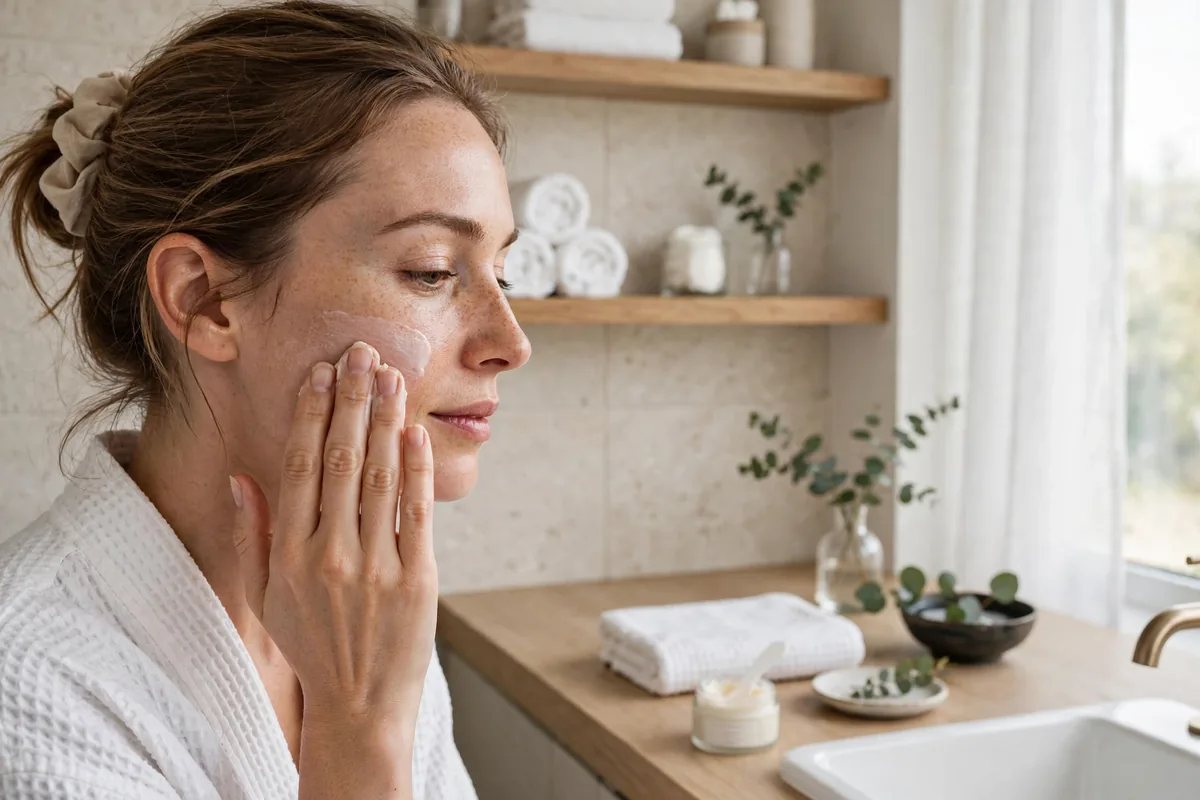
How to Exfoliate Your Skin: A Complete Beginner’s Guide
Exfoliating your skin involves removing dead skin cells using a gentle physical scrub or a chemical exfoliant. To exfoliate safely, start with clean skin, apply a suitable exfoliating product without scrubbing harshly, rinse if directed, and follow with moisturizer. Choose a method that suits your skin type, avoid irritated or sunburned areas, and use sunscreen during the day. However, exfoliation isn’t a one-size-fits-all skincare step. Your skin type, existing skincare products, and sensitivity all affect which method is appropriate.
What Is Exfoliation and Why Does It Matter?
Exfoliation is the process of removing dead skin cells from the outermost layer of your skin. Your skin naturally sheds these cells, but sometimes they accumulate on the surface, contributing to a rough texture, dull appearance, and clogged pores. A suitable exfoliation routine can help:
- Improve skin texture: Remove accumulated surface cells to make skin feel smoother.
- Reduce clogged pores: Certain exfoliating ingredients help clear dead cells and excess oil from pores.
- Improve skin appearance: Regular, gentle exfoliation may make uneven-looking skin appear more refined.
- Reduce rough patches: Exfoliating the body can help soften areas such as elbows, knees, and heels.
- Support other skincare products: Removing surface buildup can help skincare products spread more evenly.
However, exfoliating too aggressively can damage your skin barrier. The goal is to remove excess dead skin cells without causing irritation or inflammation.
Different Ways to Exfoliate Your Skin
There are two main ways to exfoliate: physical and chemical exfoliation. Both remove dead skin cells, but they work differently.
1. Physical Exfoliation
Physical exfoliation uses friction to remove dead skin cells from the surface. Common examples include:
- Gentle facial scrubs
- Soft washcloths
- Exfoliating gloves
- Soft cleansing brushes
- Body exfoliating sponges
This method can work for people whose skin tolerates gentle friction. However, rough scrubs and excessive pressure can irritate sensitive skin. If you choose a physical exfoliant, use light pressure and avoid rubbing the same area repeatedly.
2. Chemical Exfoliation
Chemical exfoliation uses skincare ingredients to loosen the bonds between dead skin cells, helping them shed naturally. Common chemical exfoliants include:
- Alpha Hydroxy Acids (AHAs): Glycolic acid and lactic acid are examples of AHAs. They work mainly on the skin’s surface and are commonly used to improve uneven texture and dullness.
- Beta Hydroxy Acids (BHAs): Salicylic acid is a common BHA. It can penetrate oil-filled pores, making it a popular ingredient in products designed for oily and acne-prone skin.
- Polyhydroxy Acids (PHAs): Ingredients such as gluconolactone offer a gentler exfoliating option in some skincare formulations.
Chemical exfoliants are available in cleansers, toners, serums, masks, and other skincare products.
Physical vs. Chemical Exfoliation: Which Is Better?
Neither method is automatically better for everyone. Your skin condition and tolerance should guide your choice.
| Feature | Physical Exfoliation | Chemical Exfoliation |
|---|---|---|
| How it works | Uses friction | Uses exfoliating ingredients |
| Common examples | Scrubs and washcloths | AHAs, BHAs and PHAs |
| Main benefit | Removes surface buildup | Helps loosen dead skin cells |
| Potential concern | Friction and irritation | Dryness and sensitivity |
| Best consideration | Gentle pressure | Suitable product strength |
For dry, sensitive, or acne-prone skin, a soft washcloth or mild chemical exfoliant may be more comfortable than a rough scrub. Oily skin may tolerate different exfoliating options, depending on its sensitivity.

How to Exfoliate Your Face Step by Step
Facial skin can be more sensitive than the skin on other parts of your body. Follow these steps to keep your routine gentle.
Step 1: Cleanse Your Face
Start by washing your face with a gentle cleanser to remove makeup, sunscreen, excess oil, and surface dirt. Use lukewarm water rather than hot water, which can make dryness and irritation worse. Pat your face dry with a clean, soft towel. Avoid rubbing your skin.
Step 2: Choose the Right Exfoliant
Select a product according to your skin type and skincare needs. Dry skin may tolerate a mild lactic acid product or gentle washcloth. Oily skin may benefit from a suitable salicylic acid product. Sensitive skin may need a particularly gentle formula or no exfoliation at all. Combination skin may need different approaches for oily and dry areas. Avoid starting with multiple exfoliating products together. One suitable product is enough when establishing a routine.
Step 3: Apply the Exfoliant Gently
For a physical exfoliant, apply a small amount and massage with very light circular movements. Avoid applying pressure around delicate areas, especially near your eyes. For a chemical exfoliant, follow the product’s application instructions. Some products are designed to be rinsed off, while others stay on the skin. Never assume that a stronger concentration or longer application will produce better results.
Step 4: Rinse or Leave the Product On as Directed
If you’re using a rinse-off exfoliant, wash it away with lukewarm water. If your product is designed to remain on your skin, follow its directions rather than rinsing it immediately. Avoid combining several exfoliating products in the same routine, particularly when you’re new to skincare acids.
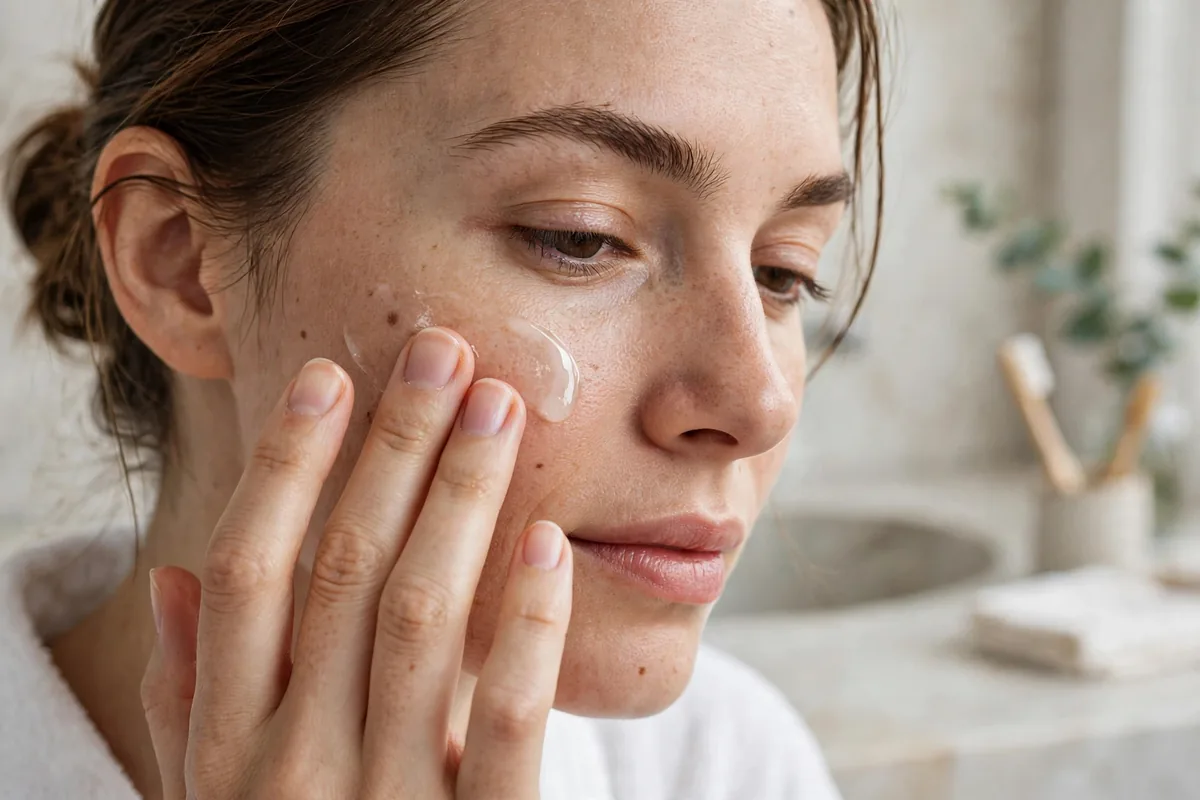
Step 5: Apply a Moisturizer
Moisturizing after exfoliation helps keep your skin hydrated and supports its protective barrier. Choose a fragrance-free moisturizer if your skin is sensitive. Ingredients such as ceramides and glycerin can be useful in hydrating skincare formulations.
Step 6: Protect Your Skin With Sunscreen
Apply broad-spectrum sunscreen with SPF 30 or higher during the day. Sun protection is particularly important when using exfoliating products that may increase sensitivity to sunlight. Remember that exfoliation doesn’t replace cleansing, moisturizing, or sun protection.
How to Exfoliate Your Body
Body skin can tolerate different exfoliation methods from facial skin, but that doesn’t mean you should scrub aggressively. A gentle body exfoliation routine can help improve the feel of rough areas and remove accumulated surface cells. Follow these steps:
- Wet your skin: Start with lukewarm water in the shower.
- Choose a body exfoliant: Use a gentle body scrub, soft washcloth, or suitable chemical exfoliating product.
- Apply carefully: Massage gently over areas that need exfoliation, avoiding excessive pressure.
- Rinse thoroughly: Remove any product residue according to its instructions.
- Moisturize: Apply body lotion or cream while your skin is still slightly damp.
Areas That May Need Extra Attention
Some areas of the body naturally develop more noticeable roughness.
Elbows and knees: These areas can become dry and rough. Use a gentle exfoliating product followed by a rich moisturizer.
Feet and heels: A gentle foot file or suitable foot-care product may help with rough skin. Avoid cutting or aggressively scraping thickened skin.
Upper arms: Some people experience keratosis pilaris, which causes small rough bumps. Products containing lactic acid or salicylic acid may help improve their appearance.
Back and shoulders: These areas may benefit from suitable body skincare products, particularly if excess oil and clogged pores are concerns.
Avoid exfoliating broken, cracked, infected, or irritated skin.

How Often Should You Exfoliate?
There isn’t one exfoliation schedule that works for everyone. Frequency depends on your skin type, the product you’re using, and how your skin responds. The American Academy of Dermatology recommends adjusting exfoliation according to your skin and choosing less aggressive methods when your skin is more sensitive. Here are some general considerations:
| Skin Type | What to Consider |
|---|---|
| Dry skin | Choose gentle exfoliation and prioritize moisturizing |
| Sensitive skin | Avoid rough scrubs and consider whether exfoliation is necessary |
| Oily skin | A suitable chemical exfoliant may help with excess oil and clogged pores |
| Combination skin | Adjust your approach for different areas |
| Normal skin | Choose a gentle method based on your skin’s response |
If you’re new to exfoliation, begin cautiously and follow the product’s recommended frequency. Don’t increase usage simply because you haven’t noticed immediate results. If your skin becomes uncomfortable, reduce or stop exfoliation.
A Beginner-Friendly Exfoliation Routine
Starting with too many skincare products can make it difficult to understand what your skin actually tolerates. Instead, keep your routine simple.
Morning routine:
- Cleanse with a gentle face wash.
- Apply a suitable moisturizer.
- Finish with broad-spectrum SPF 30 or higher.
Evening routine:
- Remove makeup and sunscreen.
- Cleanse your face gently.
- Use your chosen exfoliant only when appropriate for your skin and according to its directions.
- Apply moisturizer.
On days when you aren’t exfoliating, stick to your regular gentle skincare routine. Introduce new products individually so you can identify which one causes irritation if a reaction occurs.
Signs You’re Over-Exfoliating Your Skin
Exfoliating too often or using harsh products can interfere with your skin’s protective barrier. Watch for these warning signs:
- Persistent redness or irritation.
- Burning or stinging when applying ordinary skincare products.
- Unusual dryness or tightness.
- Peeling or flaky patches.
- Increased skin sensitivity.
- Rough or uncomfortable skin texture.
Some people may also notice worsening breakouts or dark marks after irritation.
What to Do if You’ve Over-Exfoliated
If you think you’ve over-exfoliated, stop using exfoliating products until your skin has recovered. Follow these steps:
- Pause exfoliation: Stop using scrubs, exfoliating acids, and other products that are causing irritation.
- Use a gentle cleanser: Avoid harsh soaps and fragranced cleansing products.
- Apply moisturizer: Choose a simple, fragrance-free moisturizer to help reduce dryness.
- Protect your skin: Use sunscreen during the day and avoid unnecessary sun exposure.
- Avoid experimenting: Don’t introduce additional active skincare ingredients while your skin is irritated.
If redness, burning, swelling, or discomfort persists, consult a dermatologist. Severe irritation or a suspected allergic reaction also needs medical attention.
Who Should Avoid Exfoliating?
Exfoliation isn’t suitable for every skin condition. You should avoid exfoliating affected areas when your skin has:
- Sunburn or active irritation.
- Open cuts or wounds.
- Broken or cracked skin.
- An active skin infection.
- Significant inflammation or peeling.
People with eczema, rosacea, psoriasis, or inflammatory acne should be particularly careful. Exfoliating may worsen symptoms in some cases. If you have a diagnosed skin condition, speak with a dermatologist before adding exfoliation to your routine.
What About Retinol and Acne Treatments?
Retinol, prescription retinoids, and acne treatments such as benzoyl peroxide can cause dryness, peeling, or increased skin sensitivity. Combining them with exfoliating products may increase irritation. Don’t automatically add an exfoliating acid to a routine that already contains these ingredients. Ask your dermatologist whether you need exfoliation and how to space your skincare treatments safely.
Exfoliation for Darker Skin Tones
People with darker skin tones should be especially careful with aggressive exfoliation. Irritation and inflammation can trigger post-inflammatory hyperpigmentation, which leaves darker marks after the original irritation has healed. This is particularly important for people who tend to develop dark spots after acne, insect bites, or minor skin injuries. Choose gentle skincare products and avoid harsh scrubbing or strong at-home exfoliating treatments. A dermatologist can help select suitable ingredients if you’re concerned about uneven skin tone.
Common Exfoliation Mistakes to Avoid
Even a suitable exfoliating product can cause problems when used incorrectly.
Scrubbing too hard: Applying excessive pressure can irritate the skin. Use gentle movements rather than trying to scrub away every rough patch.
Exfoliating too frequently: More exfoliation doesn’t necessarily mean better results. Give your skin time to tolerate a product before considering any changes.
Combining too many active ingredients: Using multiple acids, retinoids, and acne treatments together may increase irritation.
Ignoring sunscreen: Sun protection remains important, especially when using exfoliating products that can make skin more sensitive.
Using facial scrubs on the entire body: Different areas have different needs. Choose products designed for the area you’re treating.
Exfoliating irritated skin: Never try to remove peeling skin by scrubbing it. Allow the affected area to recover.
Final Thoughts
Exfoliation can be a useful addition to a skincare routine when done carefully. The best approach depends on your skin type, sensitivity, and the products you already use. Start with a gentle method, avoid combining too many active ingredients, and moisturize after exfoliating. Pay attention to how your skin responds rather than following a strict schedule. If you have a skin condition or experience persistent irritation, consult a dermatologist before continuing.
Frequently Asked Questions
1. Should I exfoliate before or after washing my face?
Cleanse your face first to remove makeup, oil, and dirt. Then apply your exfoliating product according to its instructions.
2. Can I exfoliate every day?
Not necessarily. Daily exfoliation may irritate your skin, depending on the product and your skin type. Follow the recommended usage instructions.
3. Is physical or chemical exfoliation better?
Neither is universally better. Physical exfoliation uses friction, while chemical exfoliation uses ingredients such as AHAs and BHAs.
4. Should I moisturize after exfoliating?
Yes. Applying moisturizer after exfoliation helps keep your skin hydrated and supports its protective barrier.
5. Can exfoliation help with clogged pores?
Certain chemical exfoliants, particularly salicylic acid, can help remove buildup inside pores. Choose a product suitable for your skin.
6. What happens if I exfoliate too much?
Over-exfoliation can cause redness, dryness, burning, peeling, and increased sensitivity. Stop exfoliating and use gentle skincare until your skin recovers.