How to Plan a Wedding: A Complete Step-by-Step Guide
Planning a wedding starts with setting a realistic budget, creating a guest list, choosing a date, and booking a venue. Once these major decisions are settled, you can arrange catering, photography, decorations, invitations, outfits, and other details. Starting early and keeping everything organized in one place can make the process easier and help prevent unnecessary expenses. Whether you’re planning a small celebration or a large wedding, having a clear order of tasks makes a significant difference. You don’t need to organize everything at once. Breaking the process into manageable steps allows you to make decisions without feeling overwhelmed.
1. Decide What Kind of Wedding You Want
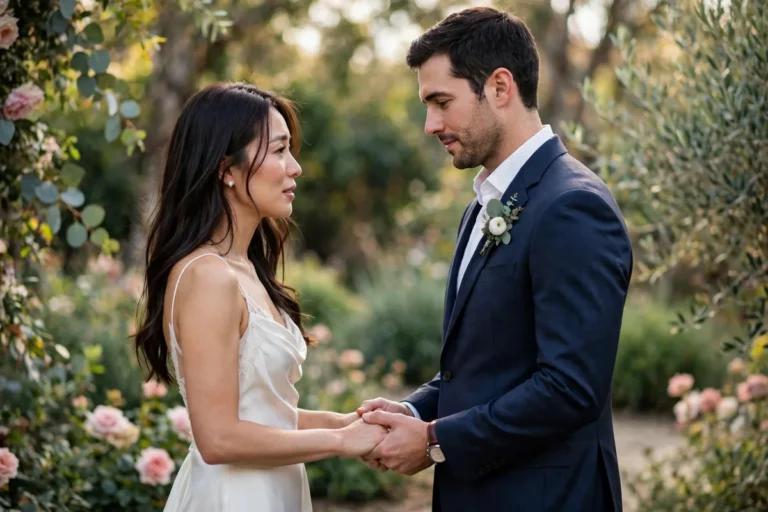
Before contacting venues or booking vendors, discuss what you and your partner actually want from your wedding. Some couples prefer a traditional ceremony followed by a large reception, while others want a smaller gathering with close friends and family. Your preferred style will influence almost every planning decision.
Consider these questions:
- Do you want a small, intimate wedding or a large celebration?
- Would you prefer an indoor or outdoor venue?
- Are you planning a traditional, modern, or destination wedding?
- How many guests do you expect?
- Do you want a formal reception or a relaxed celebration?
- Which wedding traditions are important to you?
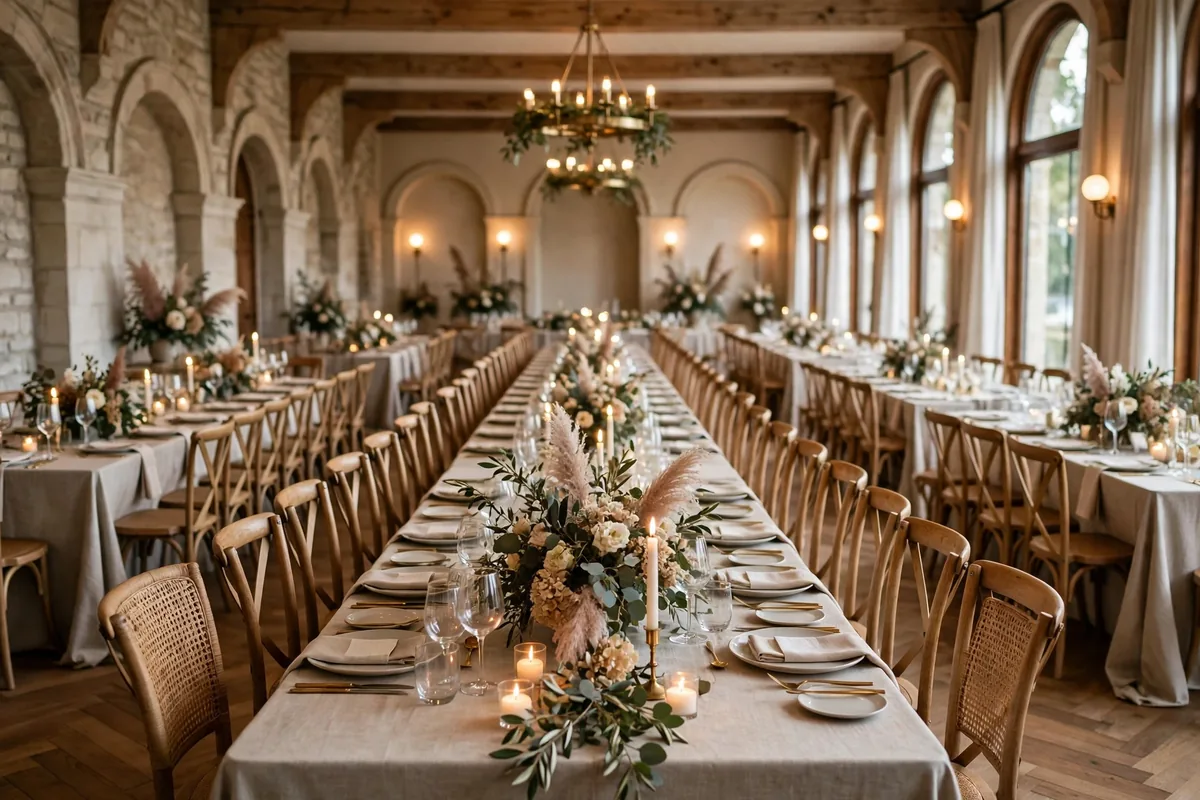
You don’t need to finalize every detail immediately. Start with a general vision that reflects your preferences and shared priorities. Create a simple inspiration board using photographs, colors, decoration ideas, and venue styles. This can help you communicate your expectations to vendors later.
2. Set a Realistic Wedding Budget
Your budget should be one of the first things you establish because it determines how much you can spend on venues, catering, clothing, photography, and other arrangements. Start by deciding the maximum amount you’re comfortable spending. If family members are contributing, discuss how much each person is willing to provide before making commitments.
Next, divide the available money into major categories.
| Wedding Expense | What to Include |
|---|---|
| Venue | Ceremony and reception location |
| Catering | Food, drinks, and service |
| Photography | Photographer and videographer |
| Clothing | Wedding outfits and alterations |
| Decorations | Flowers, lighting, and table settings |
| Entertainment | DJ, musicians, or performers |
| Stationery | Invitations, menus, and signage |
| Transportation | Wedding cars and guest transport |
| Miscellaneous | Gifts, beauty services, and other expenses |
Keep a separate contingency amount for unexpected expenses. Last-minute guest changes, additional decorations, transportation adjustments, and vendor fees can increase your original estimate.
Budgeting tip: Don’t spend your entire budget on the venue or decorations. Keep enough money available for essential services and unexpected costs.
You should also track deposits, payment deadlines, remaining balances, and cancellation terms. A simple spreadsheet can help you understand exactly where your money is going.

3. Create Your Guest List
Your guest count affects the venue, catering, seating arrangements, invitations, and overall wedding expenses. Start by creating separate lists for both sides of the family, close friends, colleagues, and other people you would like to invite. If your budget is limited, prioritize the people who are genuinely important to you rather than inviting everyone out of obligation.
Consider creating three categories:
- Must invite: Immediate family and closest friends.
- Would like to invite: Extended family, colleagues, and other friends.
- Optional: People you would invite if additional space and budget are available.
Once you have an estimated number, check whether your preferred venues can comfortably accommodate everyone. Remember that the final guest count may change. Leave some flexibility in your arrangements and establish a clear RSVP deadline so you can provide accurate numbers to your caterer and venue.
4. Choose Your Wedding Date and Venue
After establishing your budget and approximate guest count, start looking for a suitable wedding date and venue. Popular venues can become fully booked well in advance, especially during busy wedding seasons. If you have a specific location in mind, consider having two or three alternative dates.
When comparing venues, don’t focus only on photographs or advertised prices. Check the following details:
- Maximum guest capacity.
- Venue rental fees and additional charges.
- Catering options and outside vendor restrictions.
- Parking and accessibility.
- Indoor and outdoor facilities.
- Decoration and entertainment restrictions.
- Setup and cleanup times.
- Cancellation and postponement policies.
Visit shortlisted venues in person whenever possible. Pay attention to lighting, seating space, restrooms, accessibility, and the overall guest experience. For outdoor weddings, ask what happens if the weather becomes unsuitable. A reliable indoor alternative or covered space can prevent major problems.
Before paying a deposit, read the agreement carefully and make sure the important arrangements are documented in writing.
5. Book Your Wedding Vendors
Once your date and venue are confirmed, start booking the vendors responsible for delivering your wedding services. Depending on your wedding size and requirements, you may need:
- Photographer and videographer: Review complete wedding galleries and videos rather than relying only on selected social media photographs. Confirm coverage hours, editing, delivery timelines, and the number of professionals included.
- Caterer: Discuss menu options, dietary requirements, serving arrangements, food allergies, and the final guest count deadline. Ask whether tasting sessions are available.
- Florist and decorator: Share your preferred colors, flower arrangements, stage design, table decorations, and lighting ideas. Request an itemized quotation.
- DJ or entertainment: Discuss music preferences, equipment, performance duration, and any restrictions imposed by the venue.
- Hair and makeup artist: Review previous work and arrange a trial if appropriate. Confirm arrival times and the services included in the package.
When comparing vendors, consider their experience, communication, reviews, and contract terms, not just their prices. Get written confirmation of services, fees, payment schedules, cancellation policies, and what happens if a vendor becomes unavailable.
6. Choose Wedding Outfits and Accessories
Wedding outfits often require more time than expected, particularly when ordering custom clothing or arranging alterations. Start researching styles early so you have enough time to compare options, attend fittings, and make adjustments.
Think about:
- Wedding dress or formalwear.
- Shoes and accessories.
- Jewelry and other personal items.
- Outfits for bridesmaids and groomsmen.
- Clothing for pre-wedding events.
- Suitable attire for the reception.
When choosing outfits, consider the venue, season, comfort, and length of the celebration. Don’t leave final fittings until the last few days. Allow time for unexpected adjustments and check that your shoes and accessories are comfortable enough for the event.
7. Plan Decorations, Flowers, and Entertainment
Decorations help create the atmosphere you want, but they don’t need to be complicated or expensive. Start by choosing a consistent color palette and general design style. Share reference photographs with your decorator so they understand your expectations.
Common decoration arrangements include:
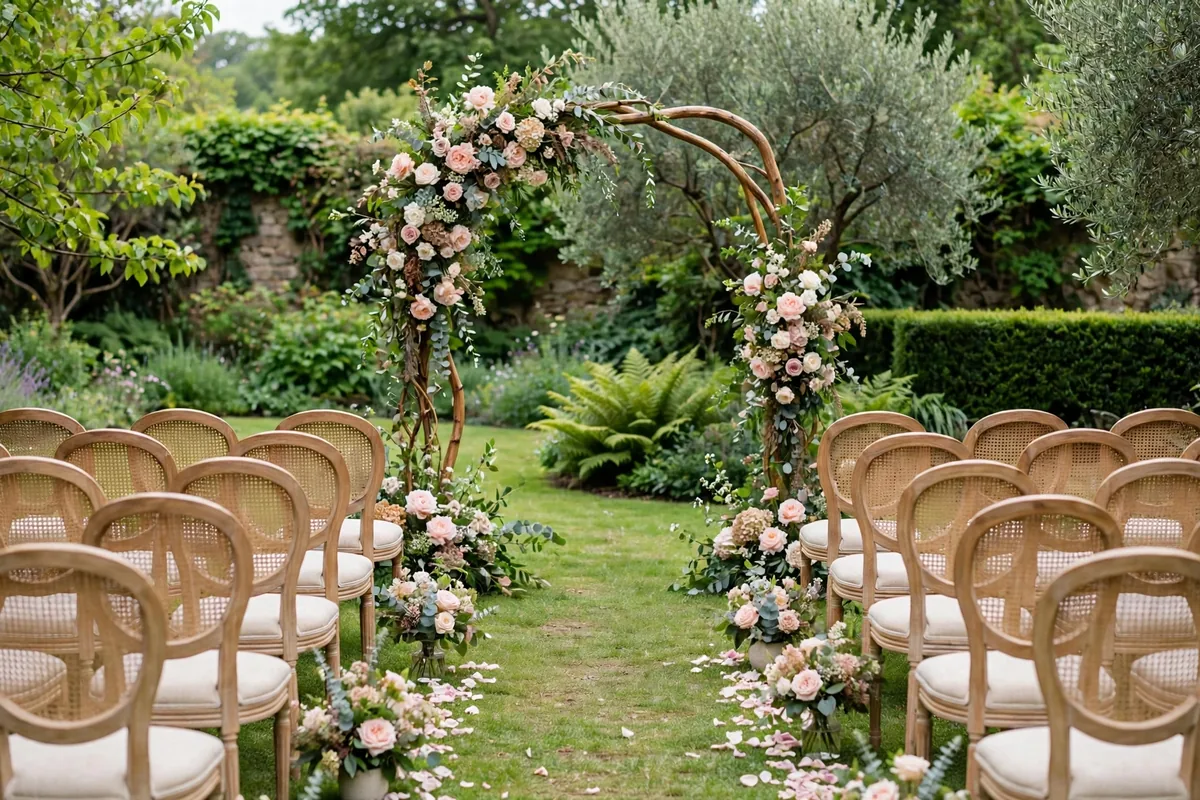
- Ceremony backdrop or wedding arch.
- Reception table centerpieces.
- Entrance decorations.
- Floral arrangements.
- Stage or sweetheart table.
- Lighting and decorative signage.
Entertainment also deserves attention. Decide whether you want live music, a DJ, a dance floor, speeches, or other activities. Coordinate decoration and entertainment plans with the venue because some locations have restrictions on candles, hanging installations, sound levels, or outside equipment. A consistent design usually looks more polished than adding too many unrelated decorative elements.
8. Send Invitations and Manage RSVPs
Once the major arrangements are confirmed, prepare your wedding invitations. Your invitations should clearly communicate:
- Names of the couple.
- Wedding date and time.
- Ceremony and reception locations.
- Dress code, if applicable.
- RSVP instructions and deadline.
- Additional information about parking or accommodation.
You can choose printed invitations, digital invitations, or a combination of both. For guests traveling from another city or country, provide accommodation suggestions and travel information as early as possible.
Keep a guest tracking sheet that records invitation status, responses, dietary requirements, and any additional arrangements. Once RSVPs arrive, update your guest count and share the confirmed number with your venue and caterer before their deadlines.
9. Arrange Transportation and Guest Accommodation
Transportation and accommodation are easy to overlook when you’re focused on the ceremony and reception. However, they can significantly affect the guest experience, particularly when your wedding involves multiple locations.
Consider arranging:
- Transportation for the couple.
- Travel arrangements for the wedding party.
- Parking information for guests.
- Hotel suggestions for out-of-town visitors.
- Accessible transportation for guests who need assistance.
If your ceremony and reception take place at different locations, estimate travel time and include a reasonable buffer. For destination weddings, share travel instructions, accommodation information, and important schedules well in advance.
10. Create a Wedding-Day Timeline
A wedding-day timeline helps everyone understand where they need to be and when. Without a schedule, important moments can become delayed, vendors may arrive at the wrong time, and family members may struggle to coordinate different arrangements.
Create a schedule that includes:
| Activity | Example Timing |
|---|---|
| Vendor setup | Before guest arrival |
| Photography preparation | Before the ceremony |
| Guest arrival | According to invitation time |
| Wedding ceremony | Scheduled ceremony time |
| Couple and family photographs | After the ceremony |
| Reception and dinner | According to the event plan |
| Speeches and entertainment | During the reception |
| Final celebrations | Before the event ends |
These are planning stages rather than fixed timings. Adjust them according to your venue, ceremony type, cultural traditions, and event duration.
Share the final schedule with your vendors, wedding party, and coordinator. Assign one reliable person to handle vendor questions and unexpected changes. This allows you and your partner to focus on enjoying the celebration.
11. Prepare for the Final Weeks
As the wedding approaches, avoid introducing unnecessary changes to arrangements that are already confirmed. Instead, focus on checking important details.
During the final weeks:
- Confirm guest numbers with the venue and caterer.
- Reconfirm vendor arrival and setup times.
- Review seating arrangements.
- Check outfits and accessories.
- Confirm transportation and accommodation.
- Finalize music, speeches, and ceremony details.
- Settle payments according to contracts.
- Prepare emergency contact information.
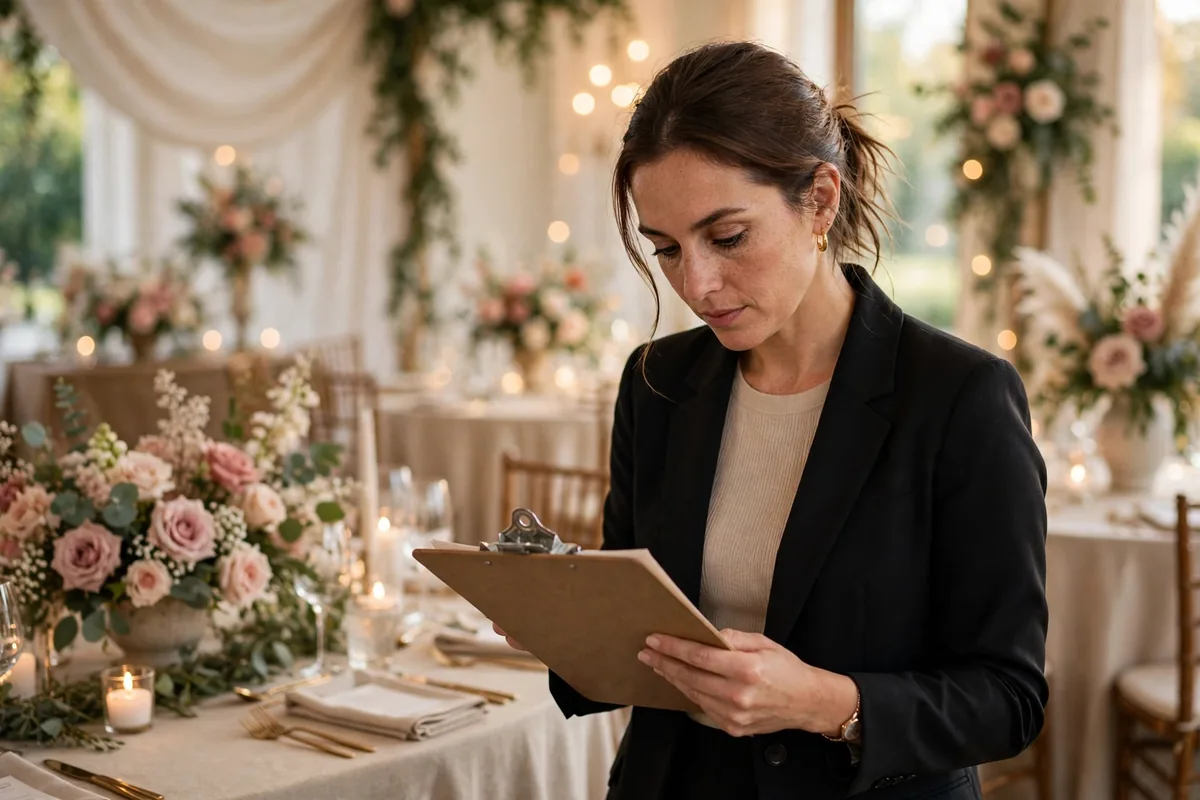
Keep copies of important agreements, receipts, schedules, and vendor contact details in one accessible location. If you’re working with a wedding planner, schedule a final review to make sure everyone understands their responsibilities.
12. What to Do on Your Wedding Day
By the wedding day, most major decisions should already be complete. Your focus should be on enjoying the event rather than personally managing every small detail.
Have your coordinator or designated helper oversee vendor arrivals, decoration setup, sound checks, guest arrangements, and schedule changes. Keep essential items nearby, including personal medications, comfortable shoes, makeup touch-up products, and important contact information. Allow extra time between major activities because small delays are common at weddings.
Most importantly, remember that the day doesn’t have to be perfect to be meaningful. Focus on celebrating with the people who matter to you.
Wedding Planning Timeline: When Should You Start?
The amount of time needed depends on the wedding size, venue availability, and how many arrangements you want to handle yourself. A 12-month planning period is a useful starting point, but smaller celebrations can often be organized in less time.
| Time Before Wedding | Main Responsibilities |
|---|---|
| 12 months or earlier | Set budget, discuss wedding style, estimate guests, choose a date |
| 9–12 months | Book venue and major vendors |
| 6–9 months | Arrange outfits, decorations, entertainment, and accommodation |
| 4–6 months | Prepare invitations, finalize menus, and organize wedding details |
| 2–3 months | Track RSVPs, plan seating, and confirm vendors |
| 1 month | Finalize guest count, payments, and wedding-day schedule |
| Final week | Reconfirm arrangements and prepare essential items |
This timeline is flexible. Adjust it to your circumstances rather than treating every deadline as compulsory.
Common Wedding Planning Mistakes to Avoid
Even carefully planned weddings can encounter problems when important details are overlooked.
- Setting the budget too late: Booking venues and vendors before establishing a spending limit can lead to unnecessary expenses.
- Inviting too many guests: A larger guest list increases catering, seating, and venue costs. Establish an approximate number before making bookings.
- Choosing vendors without checking contracts: Always understand what’s included in a package, when payments are due, and what happens if arrangements change.
- Leaving important bookings until the last minute: Popular venues and experienced vendors may have limited availability.
- Ignoring backup plans: Outdoor weather changes, vendor cancellations, and transportation delays can affect your schedule. Prepare alternatives where possible.
- Trying to manage everything yourself: Delegate responsibilities to trusted family members, friends, or a professional coordinator.
Final Thoughts
Learning how to plan a wedding becomes much easier when you approach it one decision at a time. Start with your budget, guest count, and preferred date, then move on to the venue, vendors, outfits, invitations, and final arrangements. Keep track of payments and deadlines, communicate clearly with everyone involved, and allow flexibility for unexpected changes.
Your wedding doesn’t need to follow someone else’s idea of a perfect celebration. Focus on creating an event that reflects your relationship, priorities, and budget.
Frequently Asked Questions
1. How early should you start planning a wedding?
Around 12 months is a useful starting point for a larger wedding. Smaller celebrations may require less time, depending on venue and vendor availability.
2. What is the first thing to do when planning a wedding?
Start by discussing your preferred wedding style, setting a realistic budget, and estimating your guest count. These decisions guide the rest of your planning.
3. What is the most expensive part of planning a wedding?
Venue rental and catering are often among the largest expenses, although costs vary depending on location, guest numbers, and wedding style.
4. Can you plan a wedding without hiring a wedding planner?
Yes. You can organize a wedding yourself by keeping a budget, booking vendors, maintaining a timeline, and delegating responsibilities to reliable helpers.
5. How can you plan a wedding on a small budget?
Limit your guest list, prioritize essential expenses, compare vendor quotations, consider less expensive venues, and avoid unnecessary decorations or extras.
6. What should you do one week before your wedding?
Reconfirm vendors, guest numbers, transportation, seating, payments, and the event schedule. Prepare essential items and avoid making unnecessary last-minute changes.