How to Remove Lash Extensions at Home Safely
Lash extensions can make your eyes look fuller, but removing them can be tricky when you cannot visit a salon. The safest way to remove lash extensions at home is to let loose extensions fall naturally, clean your eyelids gently, and avoid pulling on anything that remains firmly attached. Professional removal is the best option for a full set because salon-grade adhesive can bond tightly to natural lashes. With the right precautions, you can protect your eyelashes and avoid unnecessary irritation.
Is It Safe to Remove Lash Extensions at Home?
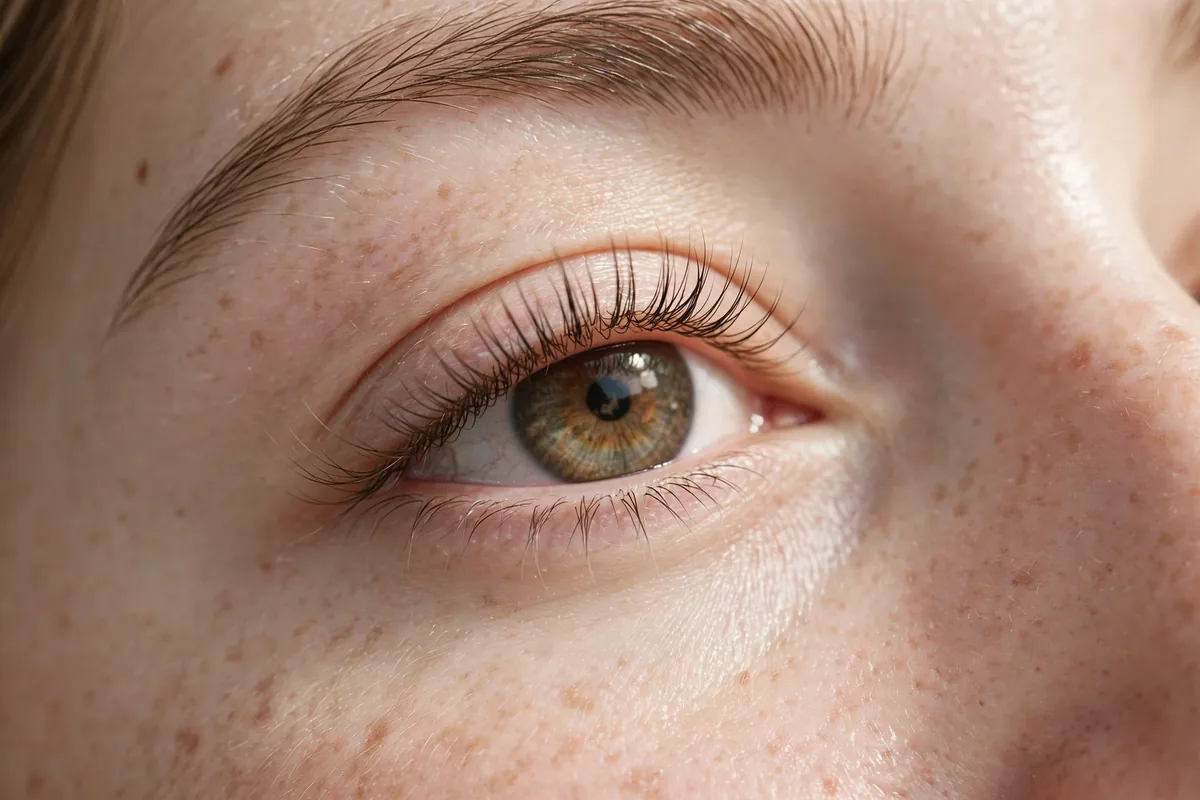
Removing lash extensions at home is not always safe, especially when the extensions are still firmly attached. Semi-permanent extensions use strong adhesive to connect individual synthetic fibers to your natural eyelashes. This adhesive is different from the temporary glue used for strip lashes.
Trying to remove bonded extensions without the correct experience can pull out natural lashes, irritate your eyelids, or expose your eyes to products that are not designed for the eye area.
The American Academy of Ophthalmology warns that rubbing, tugging, and pulling extensions can break natural eyelashes and potentially damage their follicles.
If your extensions are already falling out and only a few loose pieces remain, you may be able to let them shed naturally. However, a complete set or extensions that feel firmly attached should be handled by a trained lash technician.
What You Should Know Before Removing Lash Extensions
Before doing anything, determine what type of lashes you have. This matters because different products require different removal approaches.
Semi-permanent lash extensions: These are individual or small groups of synthetic fibers attached to natural lashes with a stronger adhesive. They usually require professional removal.
Temporary strip lashes: These are attached along the eyelid using temporary lash glue. They can generally be removed gently by loosening the strip adhesive with a suitable eye makeup remover.
Cluster lashes: These are small groups of lashes attached together. Their adhesive strength varies depending on the product, so check the manufacturer’s removal instructions.
If you have professional extensions, do not assume that a method suitable for temporary strip lashes will also work for them.
It is also helpful to check whether your extensions are naturally shedding. Natural eyelashes grow and fall out as part of their normal growth cycle. When an extension reaches the end of its cycle, it can fall out along with the natural lash attached to it.
How to Remove Lash Extensions at Home Safely
If you cannot visit a salon immediately, the following steps can help you manage loose extensions while protecting your natural lashes. These steps are not a substitute for professional adhesive removal.
1. Wash Your Hands and Clean Your Eyelids
Start by washing your hands thoroughly with soap and water. This reduces the chance of transferring dirt and bacteria to your eyes.
Remove any eye makeup using a gentle product specifically labeled for use around the eyes. Follow its instructions and avoid rubbing your lash line.
Keep your eyes closed while cleaning around the eyelids. Use clean hands and a fresh, soft cloth to gently remove makeup residue from the surrounding skin.
Avoid getting cleansers directly into your eyes. If a product causes burning or irritation, stop using it and rinse according to its label instructions.

2. Allow Loose Extensions to Fall Naturally
One of the safest approaches is to give your natural lash cycle time to do its job.
As your natural eyelashes shed, attached extensions will gradually fall away. You may notice gaps appearing in your lash line, which is normal as the set becomes less full.
Do not pull an extension simply because it looks loose. It may still be connected to a natural lash.
If an extension has completely detached and is resting on your cheek or another part of your skin, you can gently remove it without tugging at your eyelid.
Avoid using tweezers, fingernails, or other sharp tools to separate extensions that are still attached.
3. Clean Away Makeup and Residue Gently
Keeping your eyelids clean is important while waiting for extensions to shed.
Choose a gentle eye makeup cleanser that is suitable for your skin and follow the product instructions. Do not scrub the lash line to remove adhesive.
Some beauty guides mention oil-based cleansers for loosening lash adhesive. However, applying oils or household products directly to bonded extensions does not guarantee safe removal. They may leave residue, irritate sensitive eyes, or encourage you to pull at extensions that have not released.
If the extensions remain attached after gentle cleansing, stop rather than repeatedly applying products in an attempt to dissolve the adhesive.
4. Know When to Stop
Not every extension will fall out at the same time. Some may remain attached even when the rest of the set has become sparse.
If an extension resists movement, leave it alone. Do not twist, pull, scrape, or cut it to speed up the process.
You should also stop immediately if you experience redness, itching, swelling, pain, excessive watering, or blurred vision.
If the problem involves an allergic reaction or eye irritation, do not attempt further home removal. Contact an eye-care professional for appropriate advice.
What Not to Do When Removing Lash Extensions
Several popular DIY suggestions can create unnecessary risks. Avoid these mistakes when dealing with semi-permanent eyelash extensions.
Do not pull or pick at extensions. Pulling can break your natural eyelashes and damage the follicles. Even extensions that look loose may still be connected to natural lashes.
Do not use tweezers to pull bonded lashes. Tweezers can pinch your eyelid, scratch sensitive tissue, or remove natural lashes along with extensions.
Do not apply acetone or nail polish remover. These products are not intended for use around the eyes and can cause serious irritation or injury.
Do not use household glue removers. Products designed for general adhesives are not suitable substitutes for professional eyelash adhesive removers.
Do not apply professional lash remover without training. Salon removers are designed for controlled use with the eyes closed. Incorrect application can allow chemicals to enter the eye.
Do not rub your eyes aggressively. Rubbing can irritate the eyelids and cause additional lash breakage.
The FDA advises consumers to use only cosmetics intended for the eye area and to stop using products that cause irritation.
How to Protect Your Natural Eyelashes After Removal
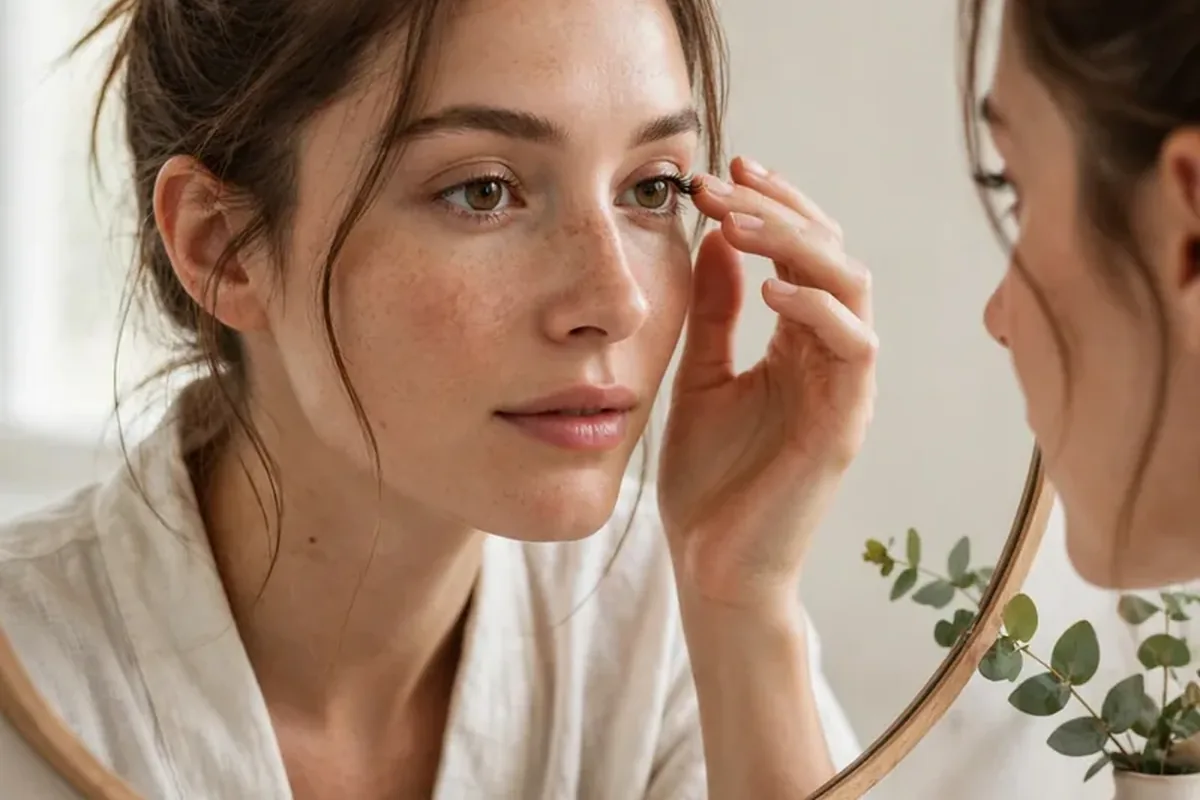
Once most of your extensions have shed or a professional has removed them, give your natural eyelashes time to recover.
Here are some simple ways to look after them:
- Clean your eyelids gently: Use a suitable eye-area cleanser and avoid harsh scrubbing.
- Take a break from extensions: Allow your natural lashes to grow without additional adhesive or extension weight.
- Avoid rubbing your eyes: Gentle handling helps prevent unnecessary breakage.
- Remove eye makeup carefully: Choose products intended for the eye area and follow their directions.
- Keep your lash tools clean: Wash reusable brushes and avoid sharing eye makeup products.
- Watch for irritation: Persistent redness, itching, or swelling should be assessed by an eye-care professional.
Natural eyelashes follow their own growth cycle, so they may not all return to the same length or appearance immediately. Give them time rather than trying several growth products or home remedies at once.
When Should You See a Professional?
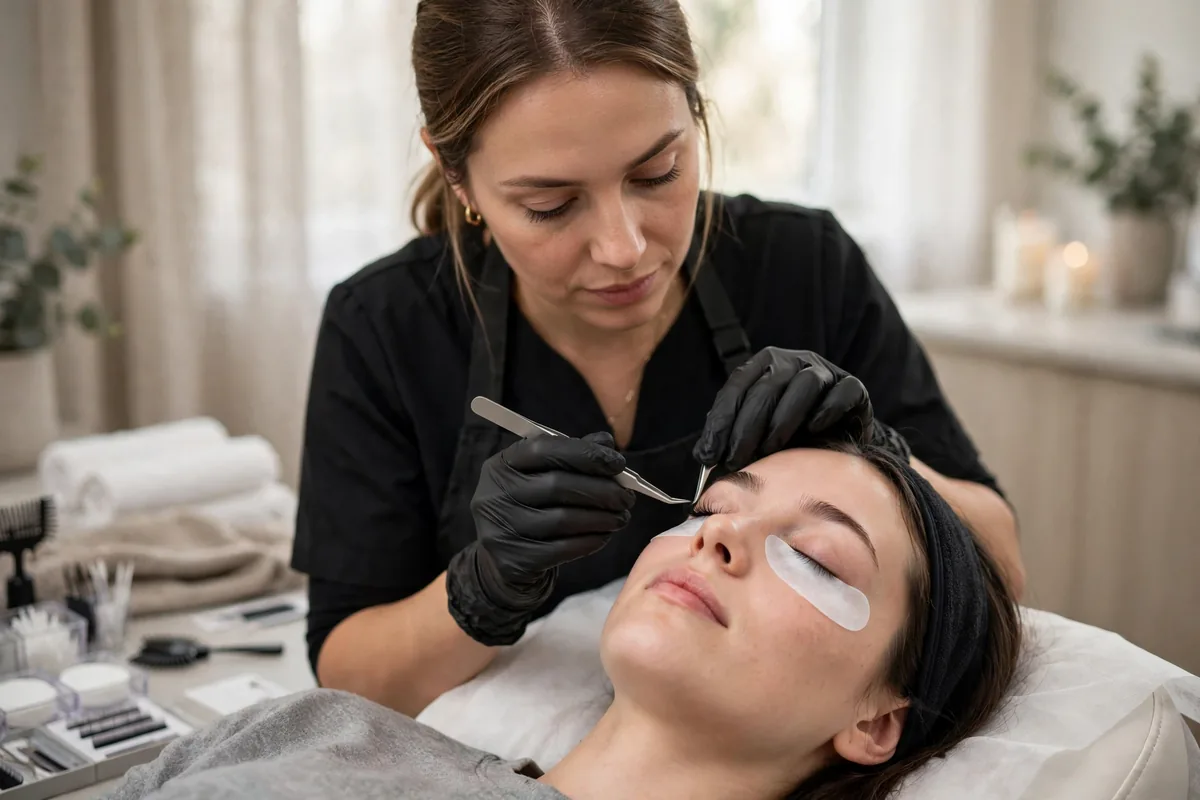
Professional removal is the better choice when you have a full set of extensions, strong adhesive bonds, or extensions that are difficult to separate from your natural lashes.
A trained lash technician has the appropriate products and experience to remove extensions while limiting unnecessary tension on your natural eyelashes.
You should also seek medical advice if you notice:
- Persistent redness or swelling around your eyelids.
- Burning, itching, or unusual eye discharge.
- Pain when opening or closing your eyes.
- Excessive watering or sensitivity to light.
- Blurred vision or other changes in eyesight.
If you experience eye pain or vision changes, seek prompt medical attention rather than trying another removal technique.
The American Academy of Ophthalmology identifies allergic reactions, eyelid infections, and damage to the eye surface among the potential complications associated with eyelash extensions.
Removing extensions safely is more important than getting them off quickly. If they are firmly attached, waiting for professional removal is a much better choice than risking your natural lashes or eye health.
Frequently Asked Questions
1. Can I remove lash extensions at home without damaging my natural lashes?
You can manage loose extensions at home by allowing them to shed naturally and avoiding pulling. However, professional removal is safer for firmly attached extensions.
2. Does coconut oil remove lash extensions?
Coconut oil is sometimes mentioned as a DIY removal option, but it does not guarantee that professional lash adhesive will release safely. Avoid relying on it to remove bonded extensions.
3. How long does it take for lash extensions to fall out naturally?
Extensions gradually shed as your natural eyelashes complete their growth cycle. The timing varies from person to person, so there is no exact removal timeline.
4. Can I use tweezers to remove eyelash extensions?
No. Pulling bonded extensions with tweezers can break natural lashes, damage follicles, or injure the delicate skin around your eyes.
5. What should I do if my eyes become irritated after lash extensions?
Stop using eye cosmetics and avoid attempting further removal. Contact an eye-care professional, especially if you experience pain, swelling, discharge, or vision changes.